Wildlife You Can See in Kuno National Park
Kuno National Park is one of the most diverse wildlife destinations in Central India. While it is internationally known as the home of India's African cheetahs, the park supports a rich ecosystem of predators, herbivores, reptiles and more than 200 species of birds.
The park's unique mix of open grasslands, dry deciduous forests, riverine habitats and rocky hills creates ideal conditions for a wide variety of wildlife. Every safari is different, and visitors never know what they may encounter around the next corner.
Here's a closer look at the incredible wildlife you can expect to see during your safari in Kuno National Park.
Big Cats of Kuno National Park
Kuno National Park is one of the few wildlife destinations in India where visitors can search for three iconic big cats—the African Cheetah, Leopard and Tiger. The park is also home to one of India's rarest wild cats, the elusive Caracal. Together, these magnificent predators make Kuno one of the country's most exciting safari destinations for wildlife lovers and photographers.
African Cheetah
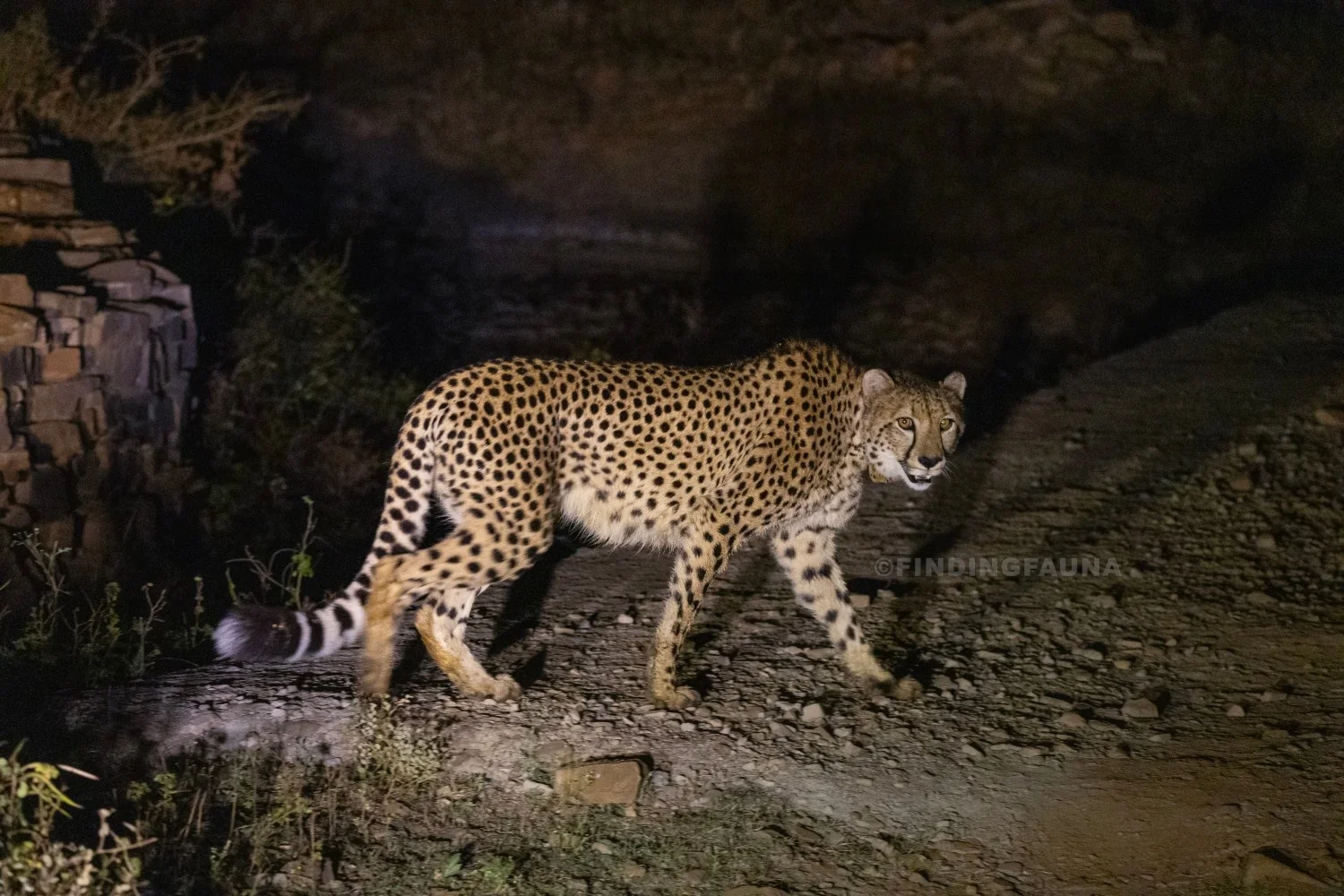
The African Cheetah is the biggest attraction of Kuno National Park and the flagship species of Project Cheetah. Reintroduced to India in 2022 after being extinct in the country for over 70 years, cheetahs have adapted well to Kuno's grasslands and open forests. Visitors often search for them resting under trees, scanning the grasslands or hunting prey like chital and chinkara. Kuno is currently the only place in India where you can see free-ranging African cheetahs in the wild.
Leopard
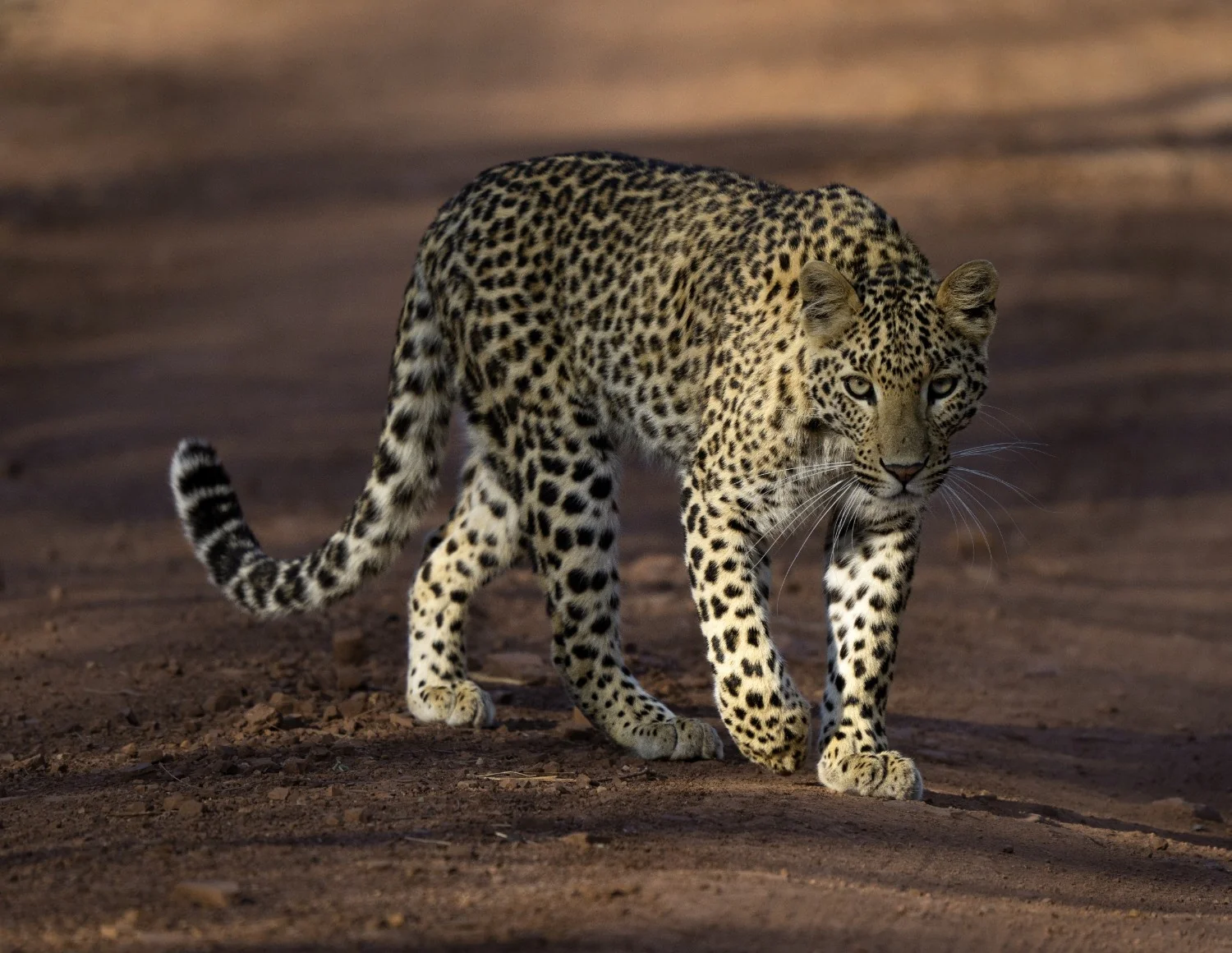
Leopards are among the most frequently sighted large carnivores in Kuno National Park. Their excellent camouflage allows them to blend seamlessly into rocky hills, forests and grasslands. Unlike cheetahs, leopards rely on stealth and strength to hunt. Early morning and evening safaris often provide excellent opportunities to spot these beautiful cats walking along forest tracks or resting on rocky outcrops.
Tiger
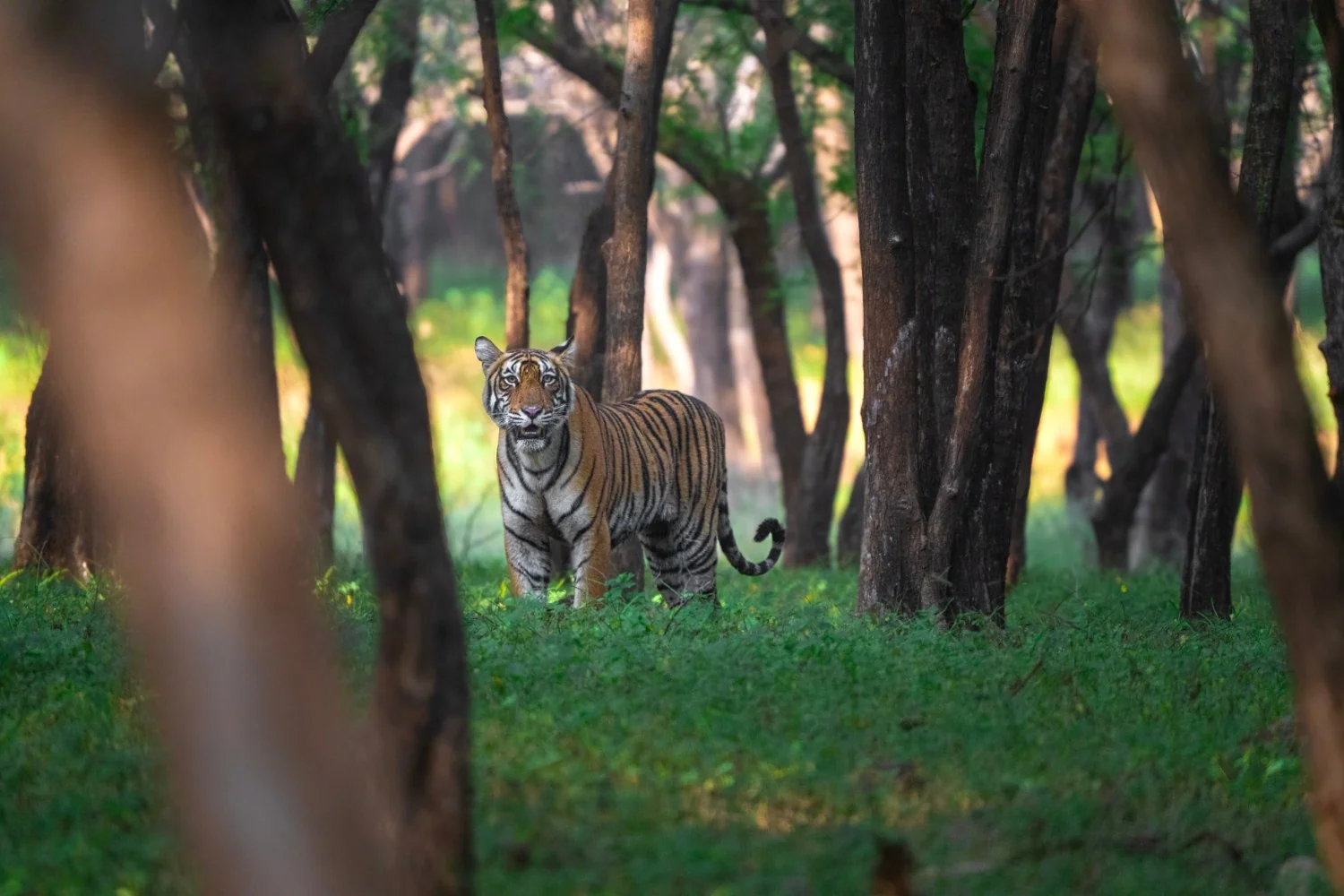
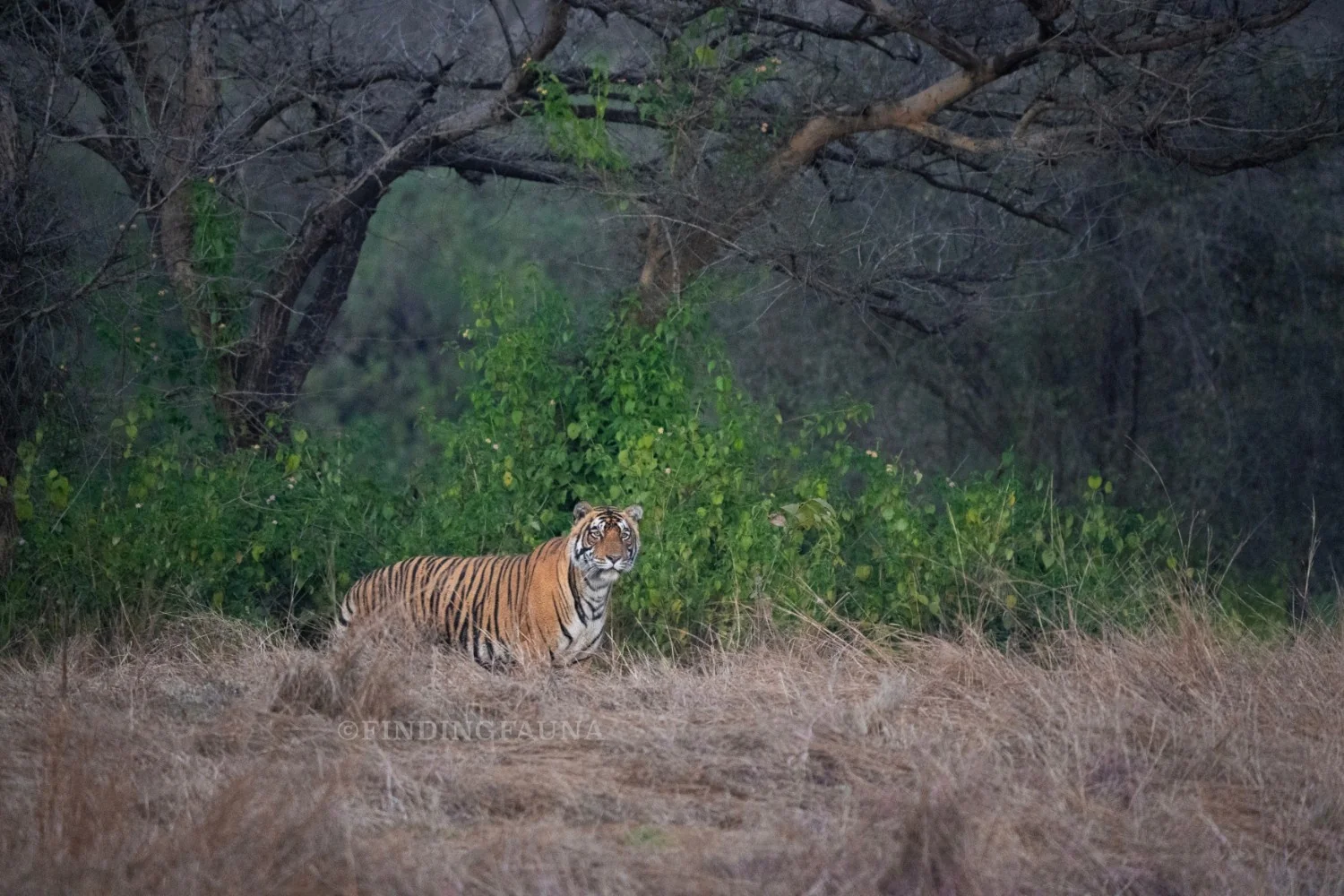
Kuno is also home to Bengal Tigers, making it one of the rare places in India where three iconic big cats share the same landscape. Although tiger sightings are currently less frequent than those of cheetahs and leopards, their presence represents another major milestone in Kuno's conservation journey. As the tiger population grows, sightings are expected to become more common in the coming years.
Caracal
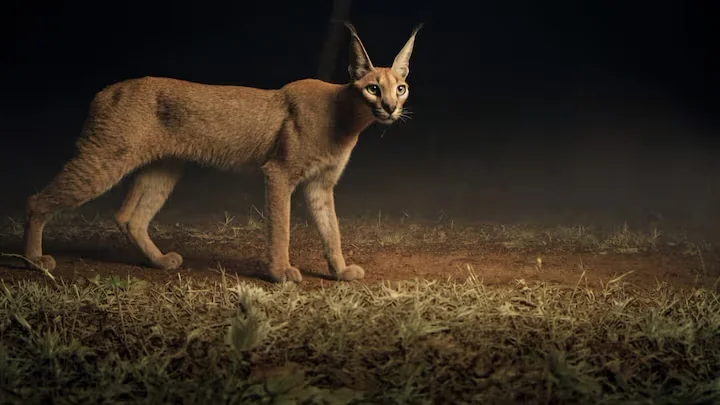
The Caracal is one of India's rarest and most elusive wild cats. Recognised by its distinctive black ear tufts and reddish coat, it inhabits dry grasslands and scrub forests within the Kuno landscape. Sightings are exceptionally rare, but the presence of this secretive feline highlights the incredible biodiversity of Kuno National Park and makes it a dream destination for serious wildlife enthusiasts.
Predators & Bears of Kuno National Park
Beyond its famous big cats, Kuno supports several other fascinating predators that play an important role in maintaining the park's ecological balance.
Sloth Bear
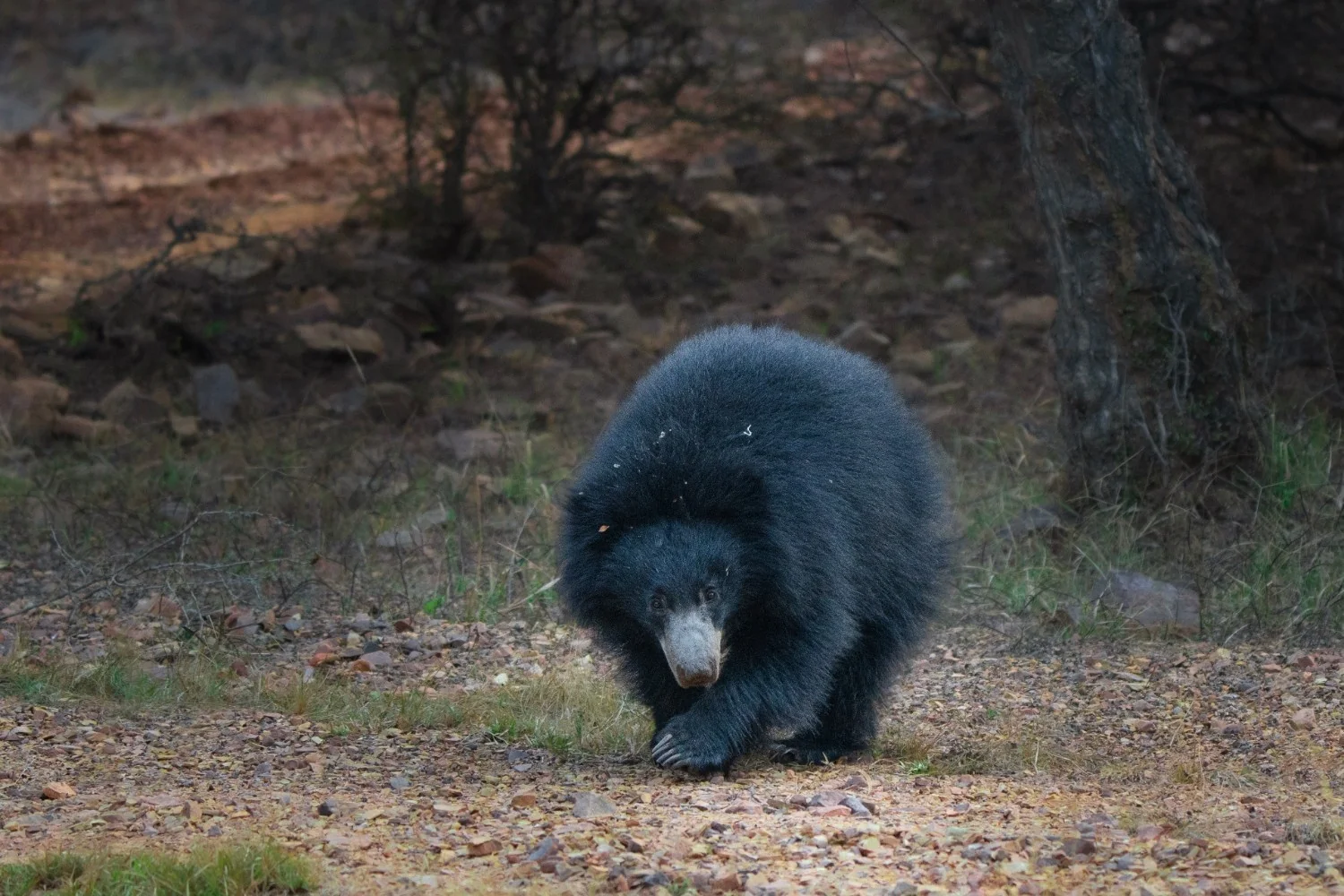
Sloth Bears are regularly seen in Kuno, especially near rocky hills and termite mounds. With their shaggy black coat and long claws, they spend much of their time searching for insects, fruits and honey. Watching a sloth bear foraging in the wild is always a memorable safari experience.
Indian Wolf
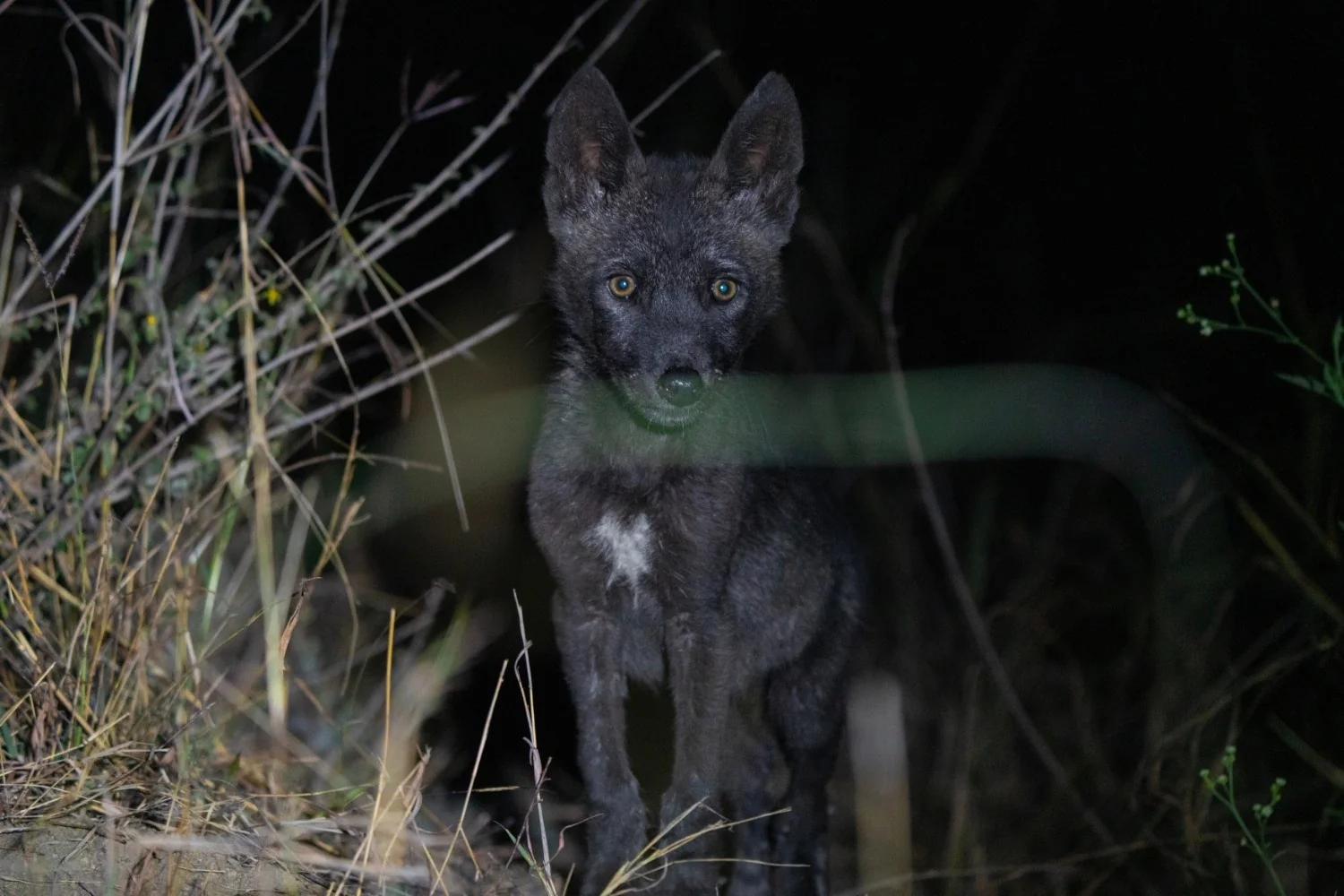
The Indian Wolf is one of Kuno's most elusive predators. Adapted to open grasslands and scrub habitats, wolves are usually seen during the cooler hours of the day. Although sightings are uncommon, encountering one in the wild is considered a special moment for any wildlife enthusiast.
Dhole (Indian Wild Dog)
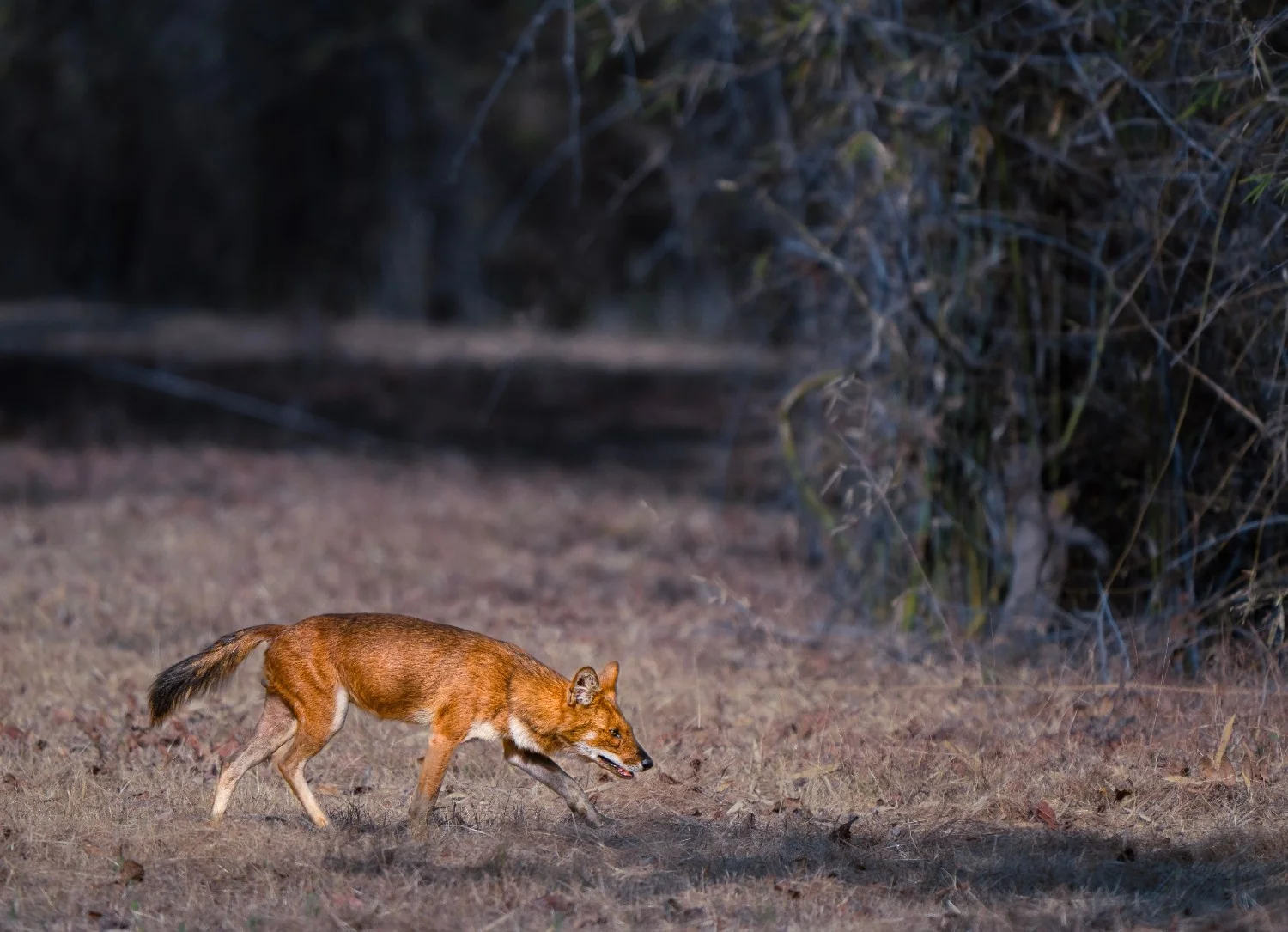
The Dhole, or Indian Wild Dog, is an intelligent and highly social predator that hunts in coordinated packs. Though not commonly seen, they occasionally move through Kuno's forests in search of prey. Their teamwork and endurance make them one of India's most effective hunters.
Striped Hyena
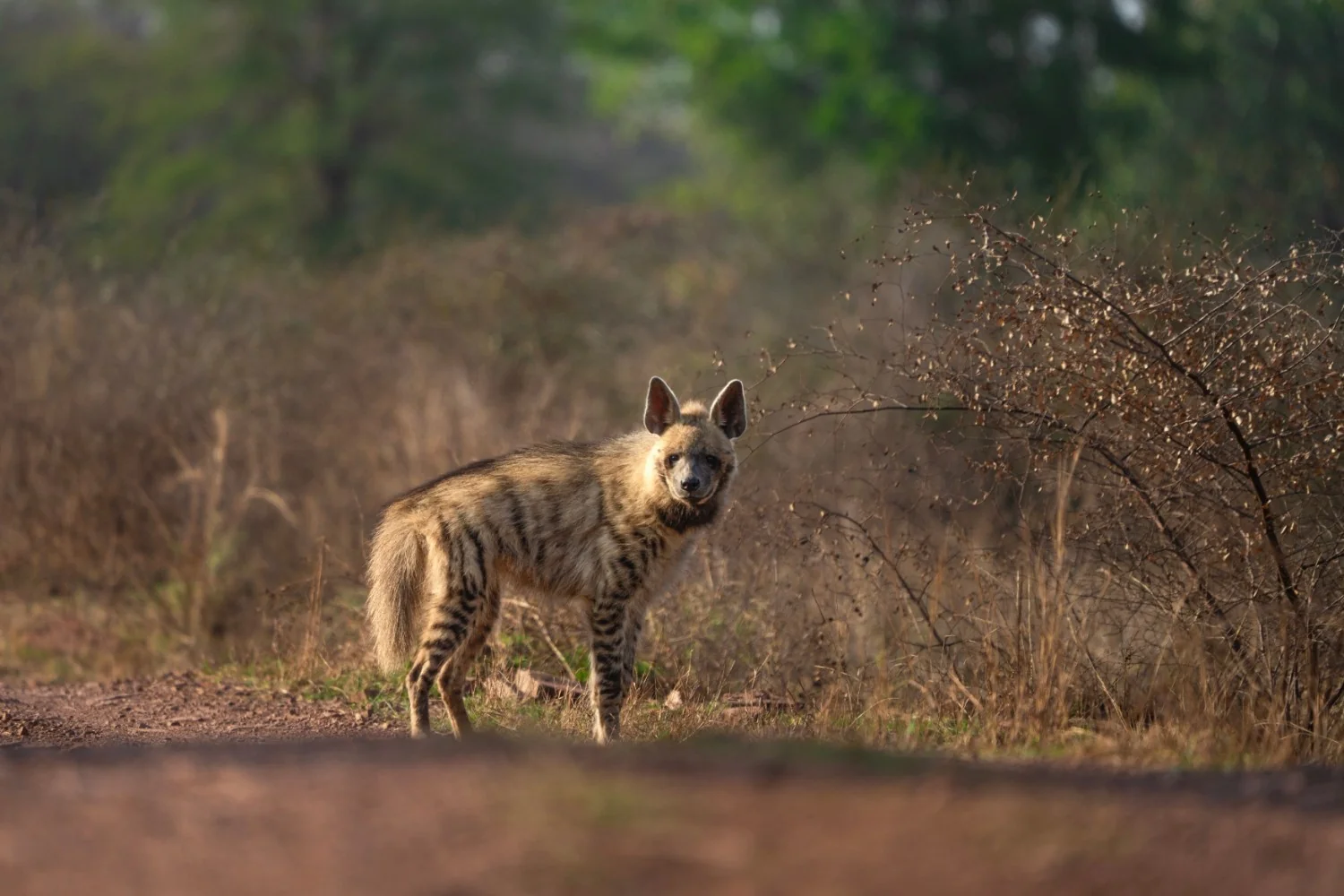
Striped Hyenas are mostly active during the evening and night but are occasionally seen during safaris. As nature's cleanup crew, they play a vital role by scavenging carcasses and keeping the ecosystem healthy.
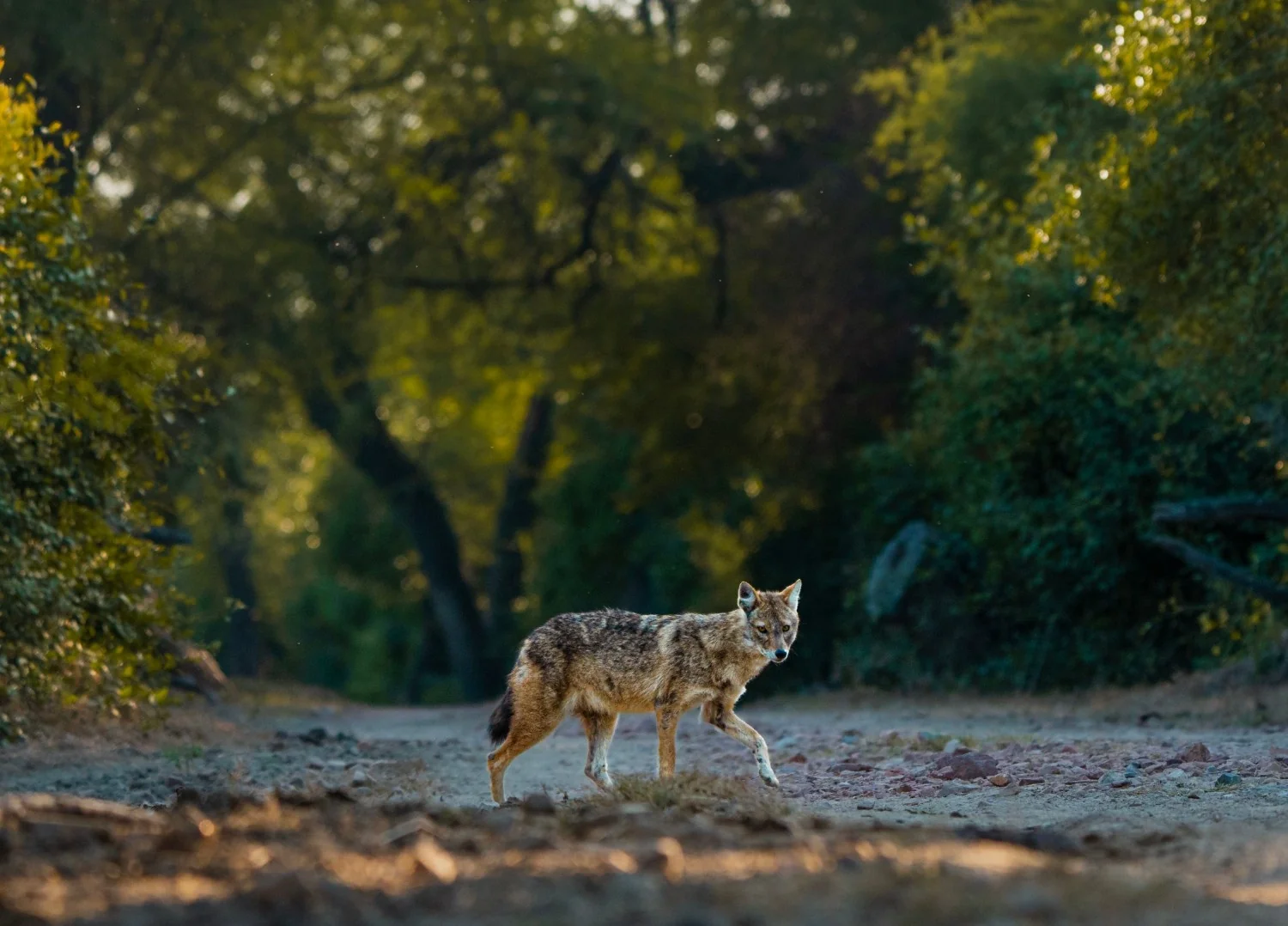
Golden Jackal
Golden Jackals are among the most commonly seen carnivores in Kuno. They are highly adaptable and can often be spotted alone or in pairs near grasslands and forest edges. Their distinctive calls are frequently heard during dawn and dusk.
Herbivores of Kuno National Park
Kuno's healthy population of herbivores forms the foundation of its ecosystem and provides food for predators like cheetahs, leopards and tigers.
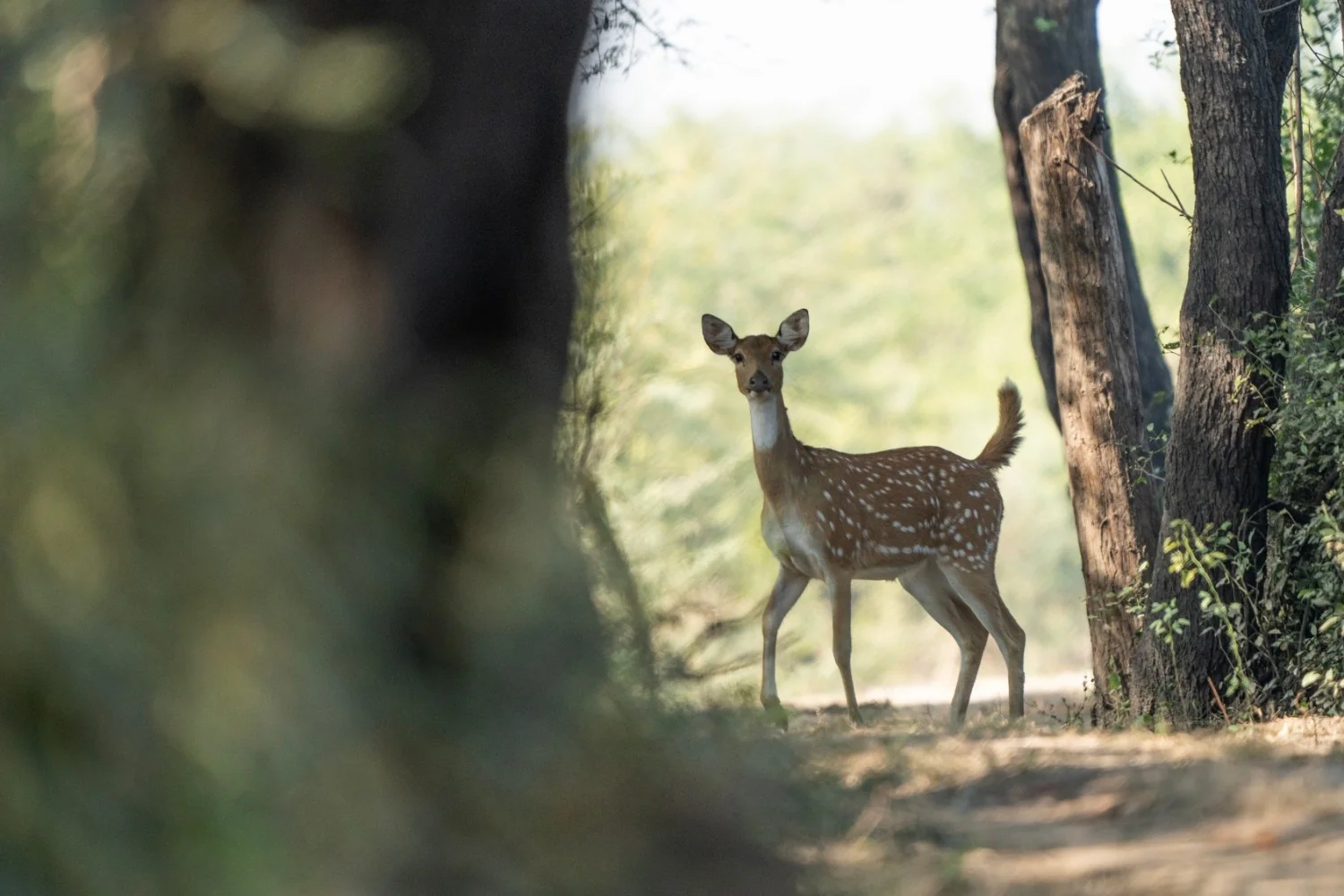
Chital (Spotted Deer)
Chital are the most abundant deer species in Kuno National Park. Their loud alarm calls often alert guides to the presence of predators nearby, making them an important part of every safari.
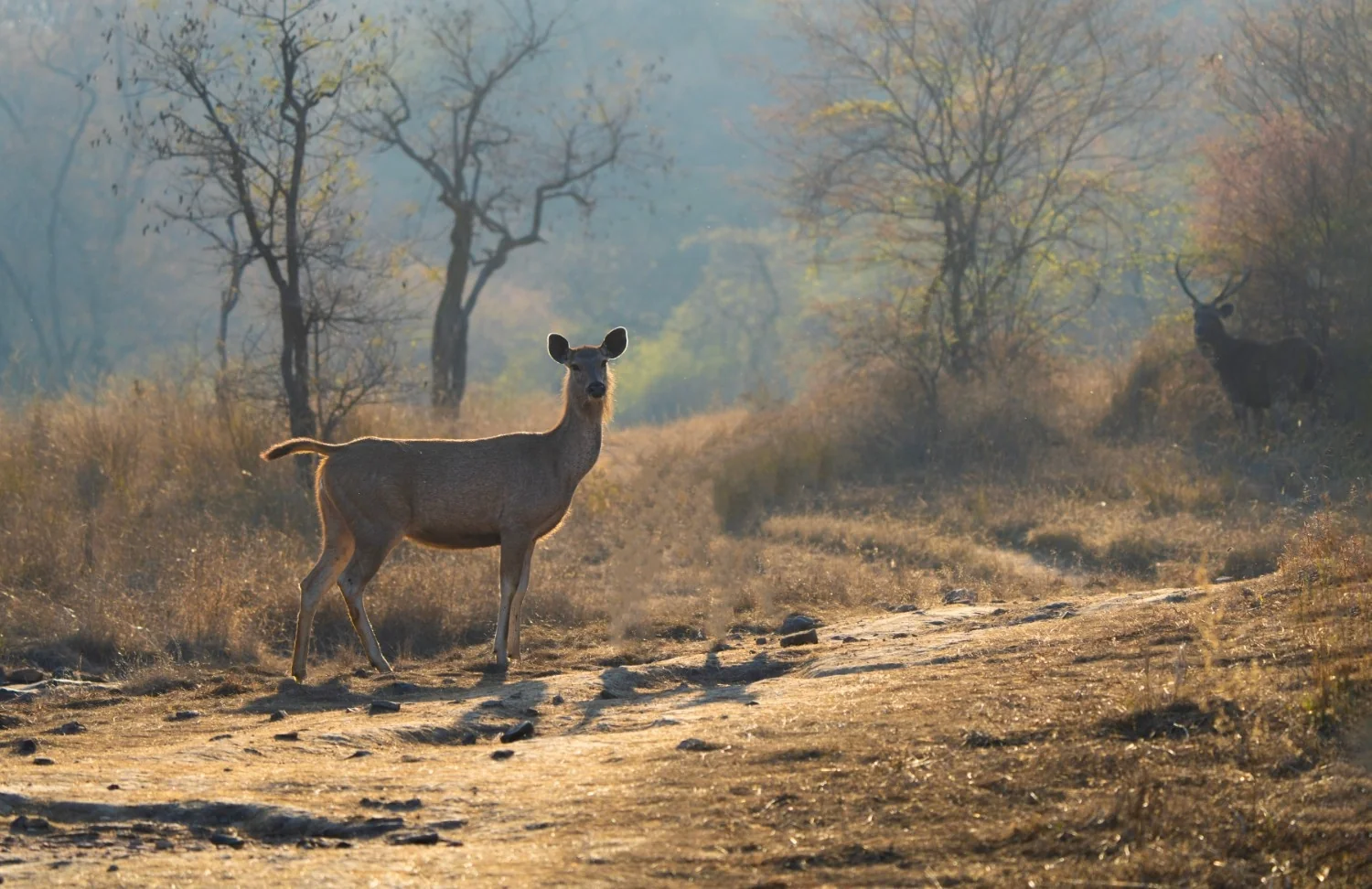
Sambar
India's largest deer species, the Sambar prefers dense forests and areas close to water. Their deep alarm calls are a reliable sign that a predator may be in the vicinity.
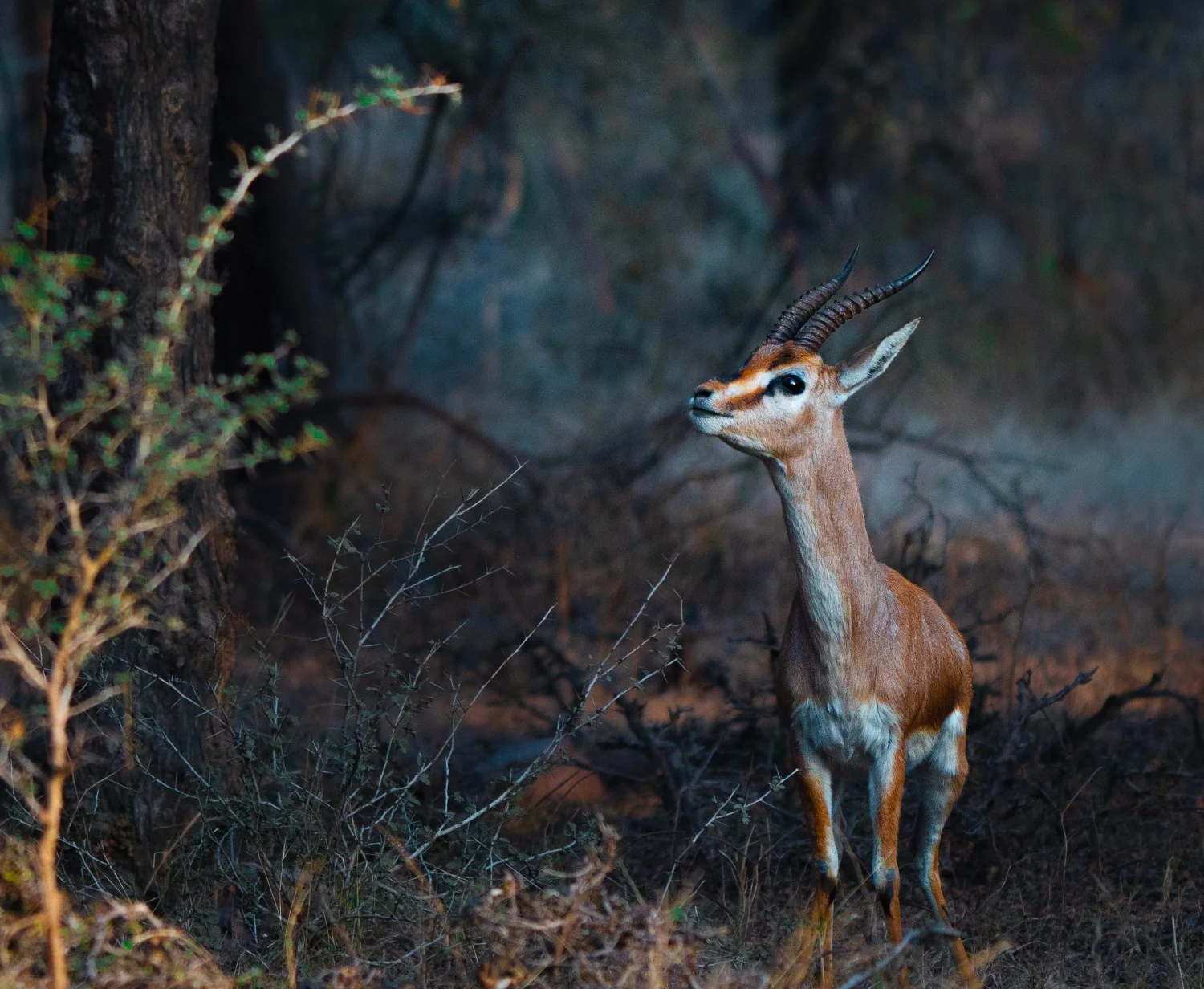
Chinkara (Indian Gazelle)
The graceful Chinkara thrives in Kuno's open grasslands and is one of the preferred prey species of the African cheetah. They are often seen moving gracefully across open plains.
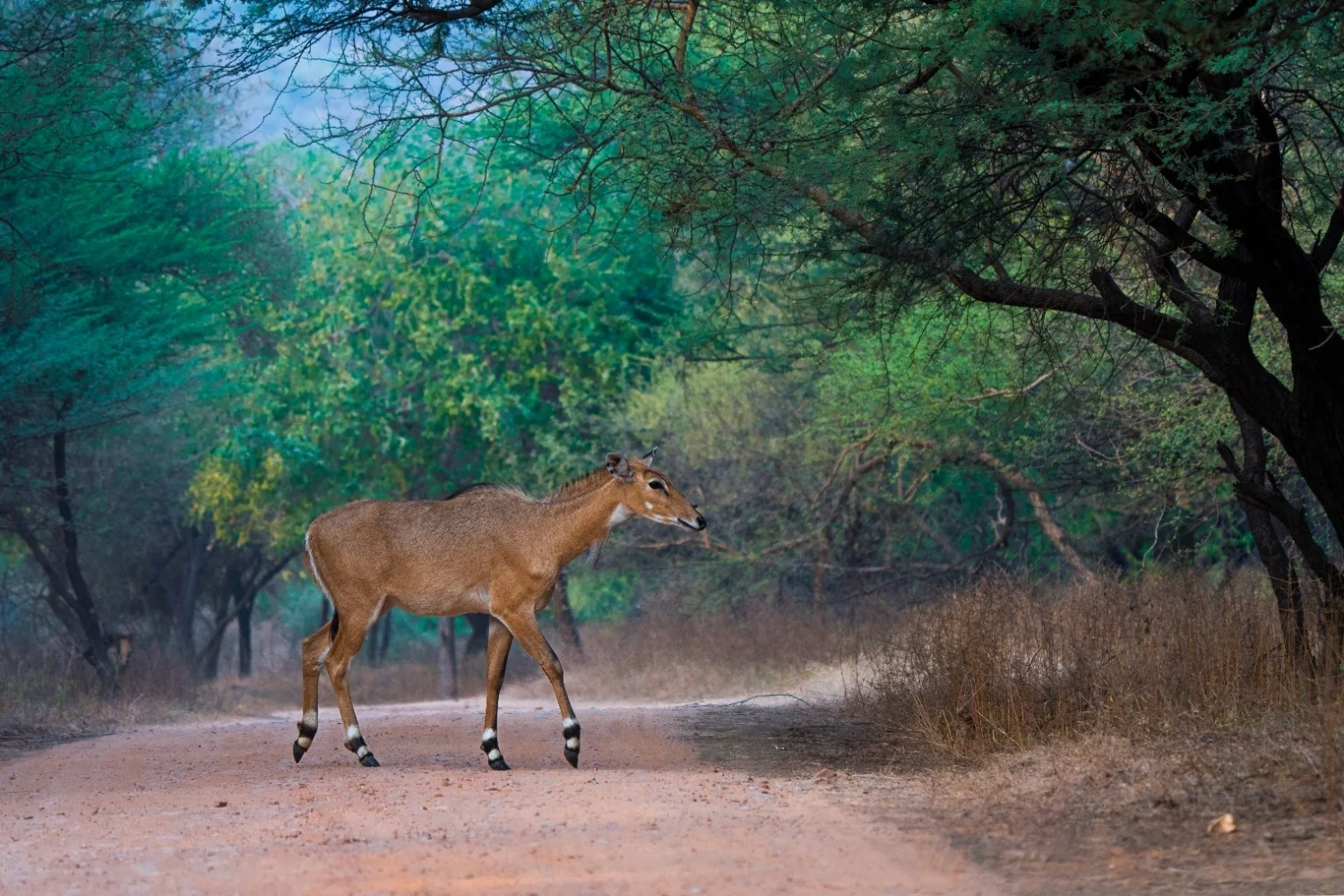
Nilgai (Blue Bull)
The Nilgai is Asia's largest antelope and one of the most frequently encountered herbivores in Kuno. These majestic animals are commonly seen grazing in open grasslands throughout the park.
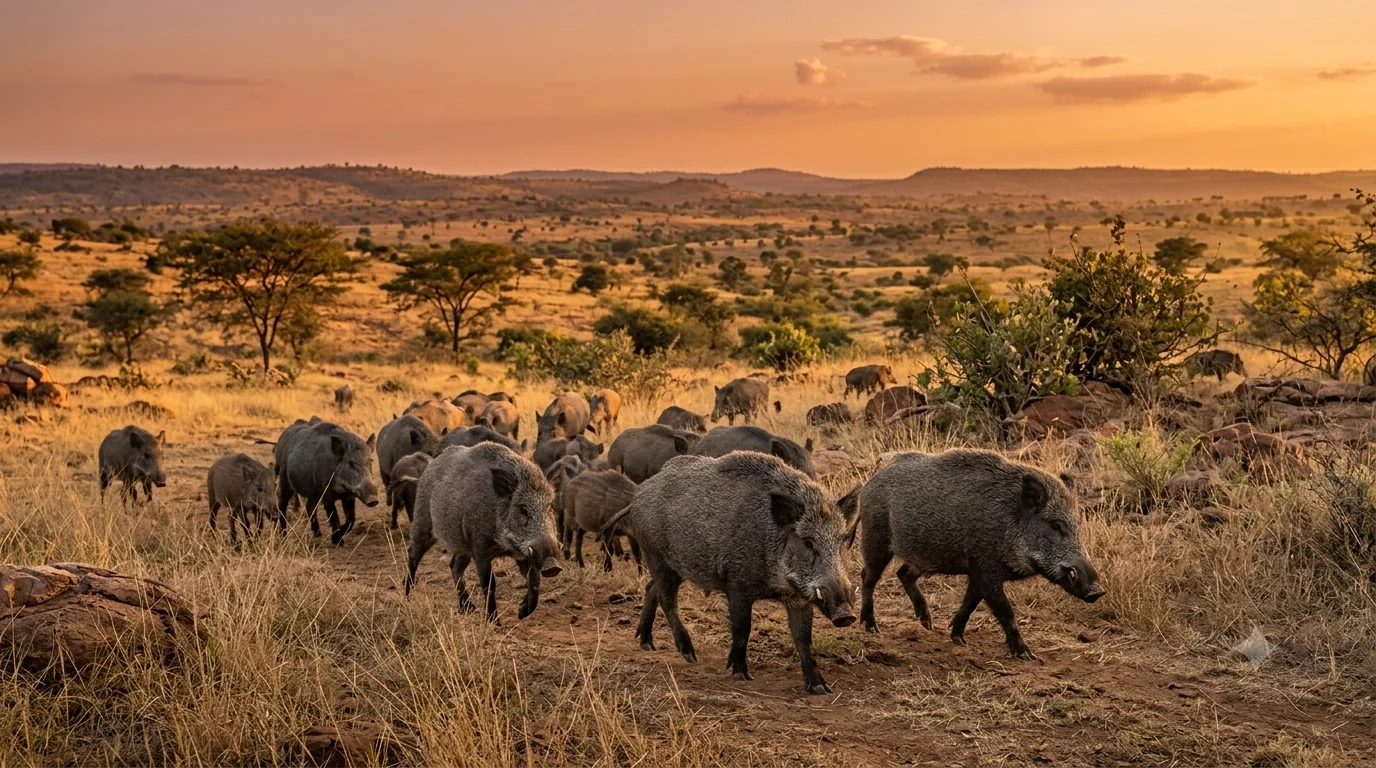
Wild Boar
Wild Boars are widespread across Kuno National Park and are frequently observed foraging near forest roads and water bodies. They are an important food source for the park's large predators.
Reptiles of Kuno National Park
Kuno's rivers, wetlands and forests also support an impressive diversity of reptiles.
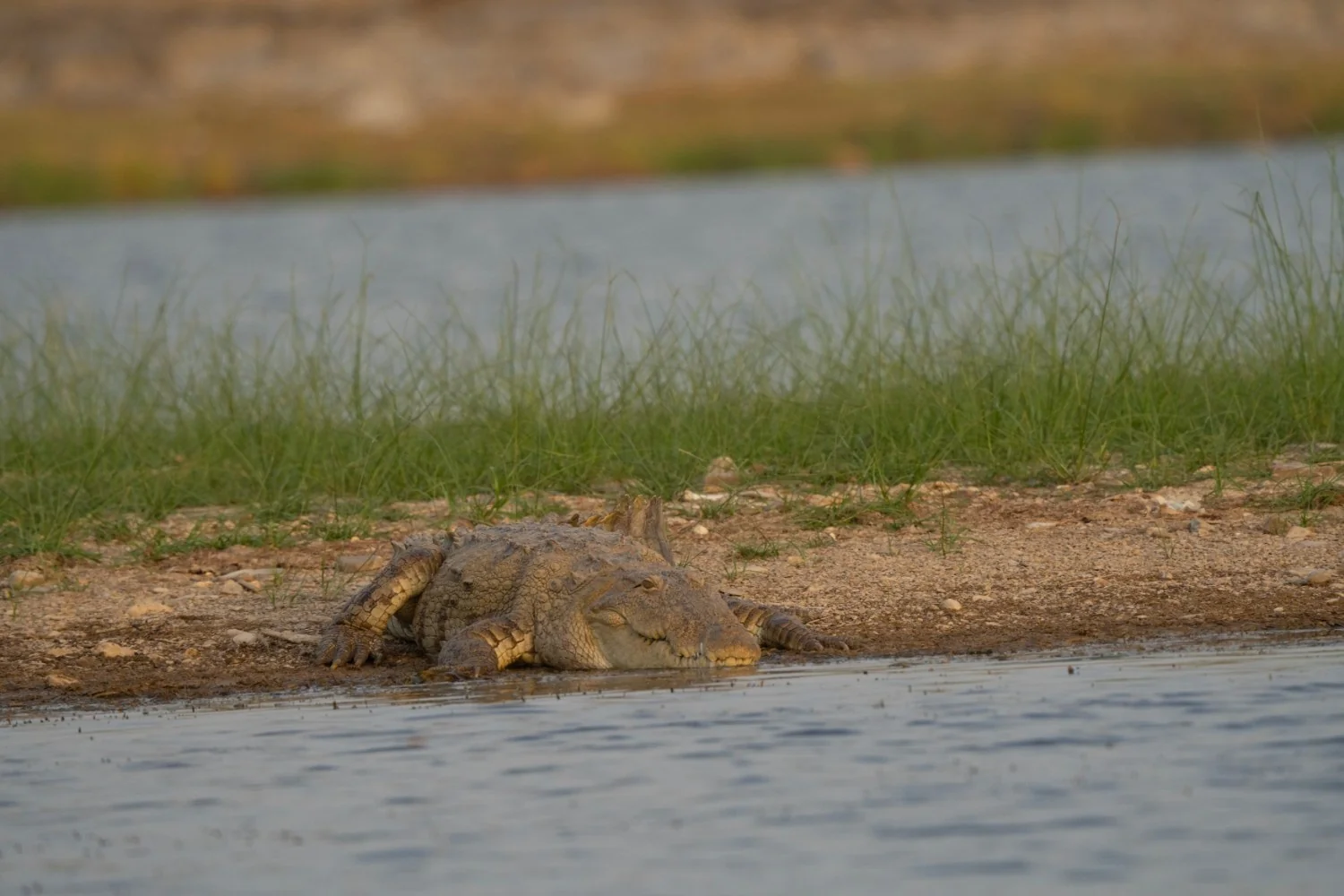
Mugger Crocodile
The Mugger Crocodile is commonly found in the Kuno River and other permanent water bodies within the park. Visitors often spot them basking on riverbanks during sunny afternoons.
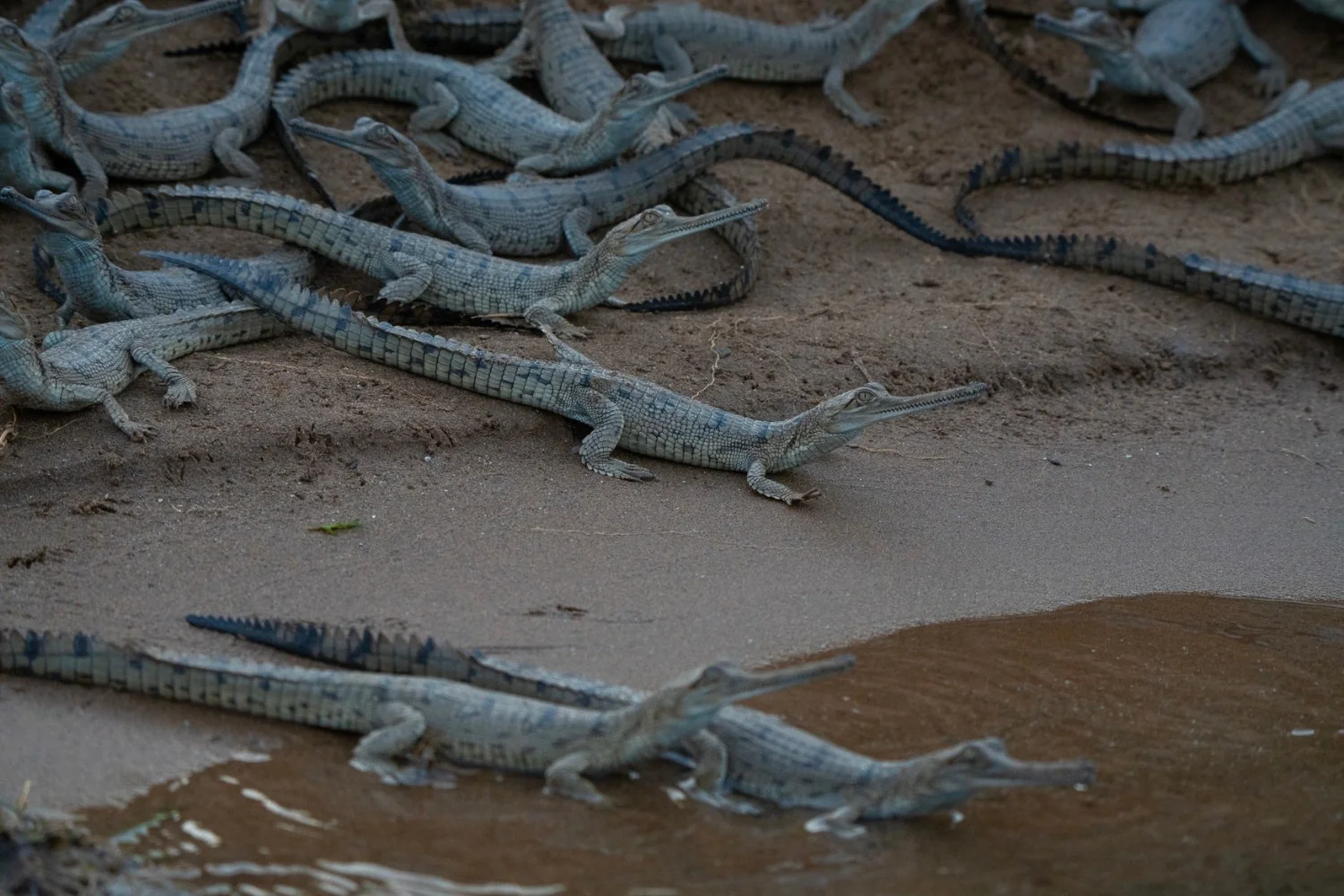
Gharial
The Kuno River is also home to the Critically Endangered Gharial, one of the world's rarest crocodilians. Easily recognised by its long, narrow snout, the gharial is a fish-eating reptile and an important part of Kuno's aquatic ecosystem. Spotting one during a safari is a special experience for wildlife enthusiasts.
Birds of Kuno National Park
With more than 200 recorded bird species, Kuno National Park is a paradise for birdwatchers. From majestic birds of prey to colourful woodland species, every safari offers excellent birding opportunities throughout the year.
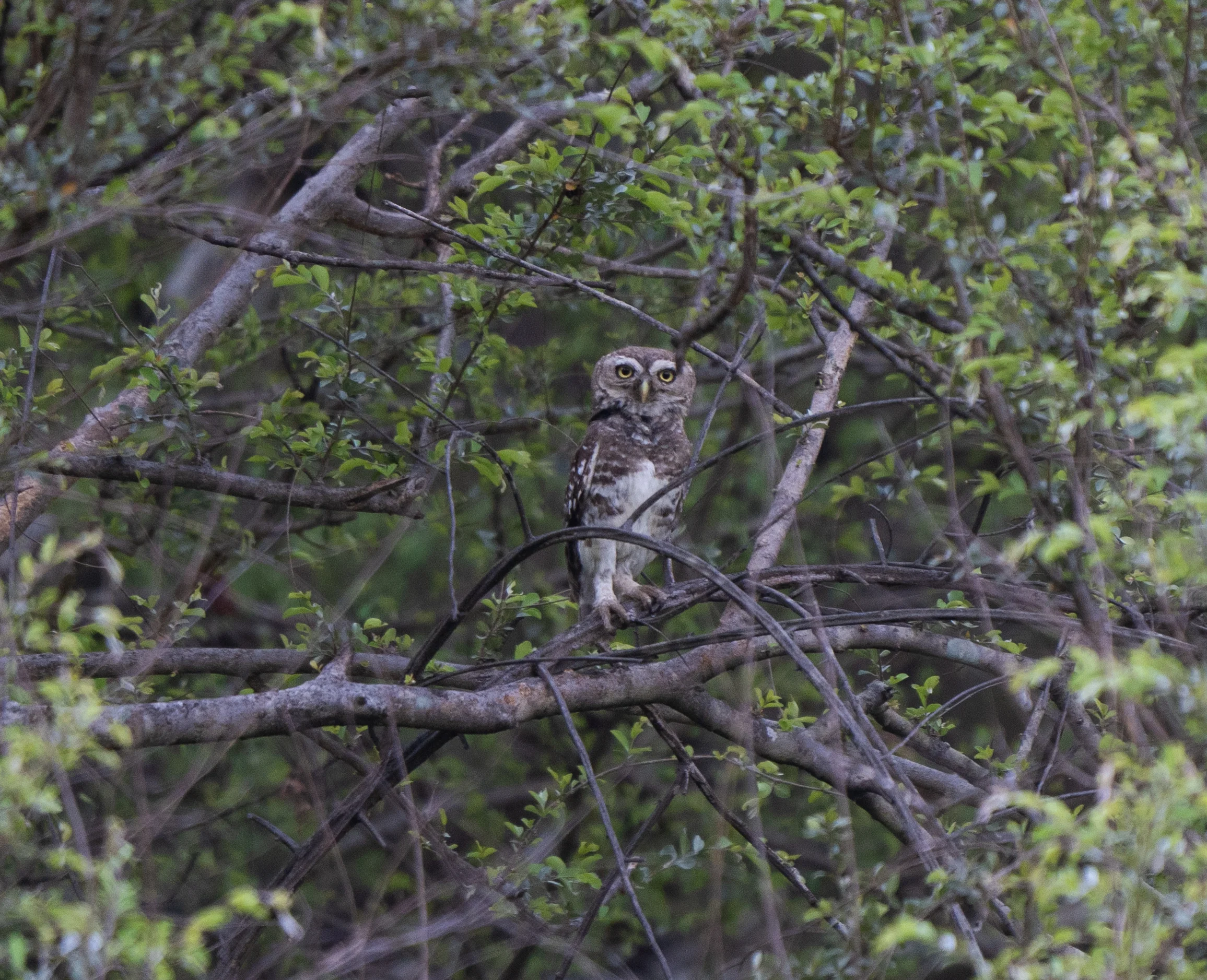
Forest Owlet
One of Kuno's greatest birding attractions is the Forest Owlet, one of India's rarest owl species. Once believed to be extinct, it is now one of the most sought-after birds for birdwatchers and wildlife photographers visiting Central India.
Other Birds You May See
Kuno National Park is home to an incredible variety of resident and migratory birds, including:
White-eyed Buzzard
Crested Serpent Eagle
Changeable Hawk-Eagle
Indian Eagle-Owl
Painted Spurfowl
Indian Peafowl
Paradise Flycatcher
Indian Roller
Green Bee-eater
Kingfishers
Woodpeckers
Vultures
Drongos
Minivets
Orioles
Sunbirds
Herons and Egrets
Seasonal migratory waterbirds
Whether you're a casual birdwatcher or an experienced birder, every safari in Kuno offers the chance to discover something new.