
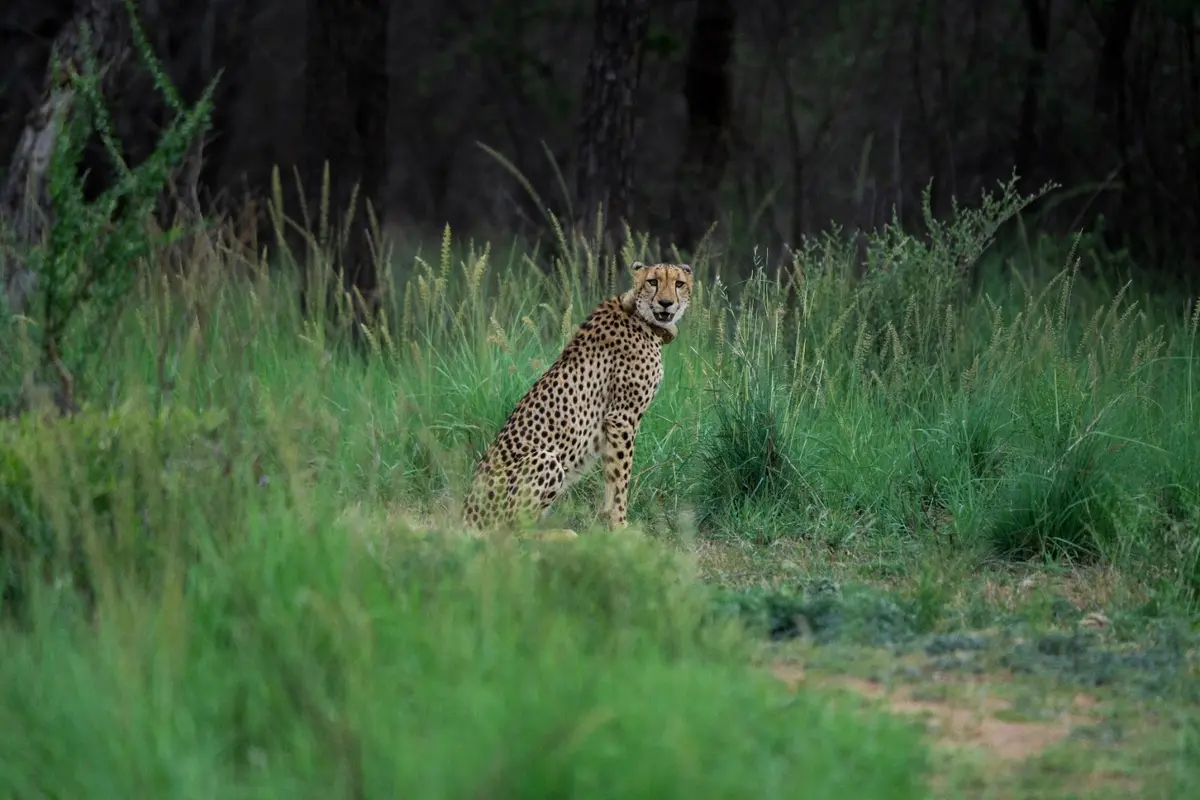
About Kuno National Park
Park History & Other Information
Overview
Kuno National Park, located in the Sheopur district of Madhya Pradesh, spans 748.76 sq. km. and is one of India’s most remarkable wildlife destinations. Named after the Kuno River, the park features a unique mix of dry deciduous forests, open grasslands and riverine habitats that support an exceptional diversity of wildlife.
Internationally recognised as the home of Project Cheetah, Kuno is India’s only free-ranging cheetah landscape. Alongside cheetahs, the park is home to leopards, sloth bears, Indian wolves, striped hyenas, deer, antelopes and over 200 bird species, making it a paradise for wildlife enthusiasts and photographers.
History of Kuno National Park
Originally declared a Wildlife Sanctuary in 1981, Kuno underwent extensive habitat restoration and the voluntary relocation of 24 villages, creating one of India’s best-prepared landscapes for large carnivore conservation.
The park was upgraded to National Park in 2018 and gained global recognition in 2022 with the launch of Project Cheetah, marking the historic return of cheetahs to India after more than seven decades. Today, Kuno stands as a symbol of successful wildlife conservation and ecological restoration.
Read MoreTop Things to Do in Kuno National Park
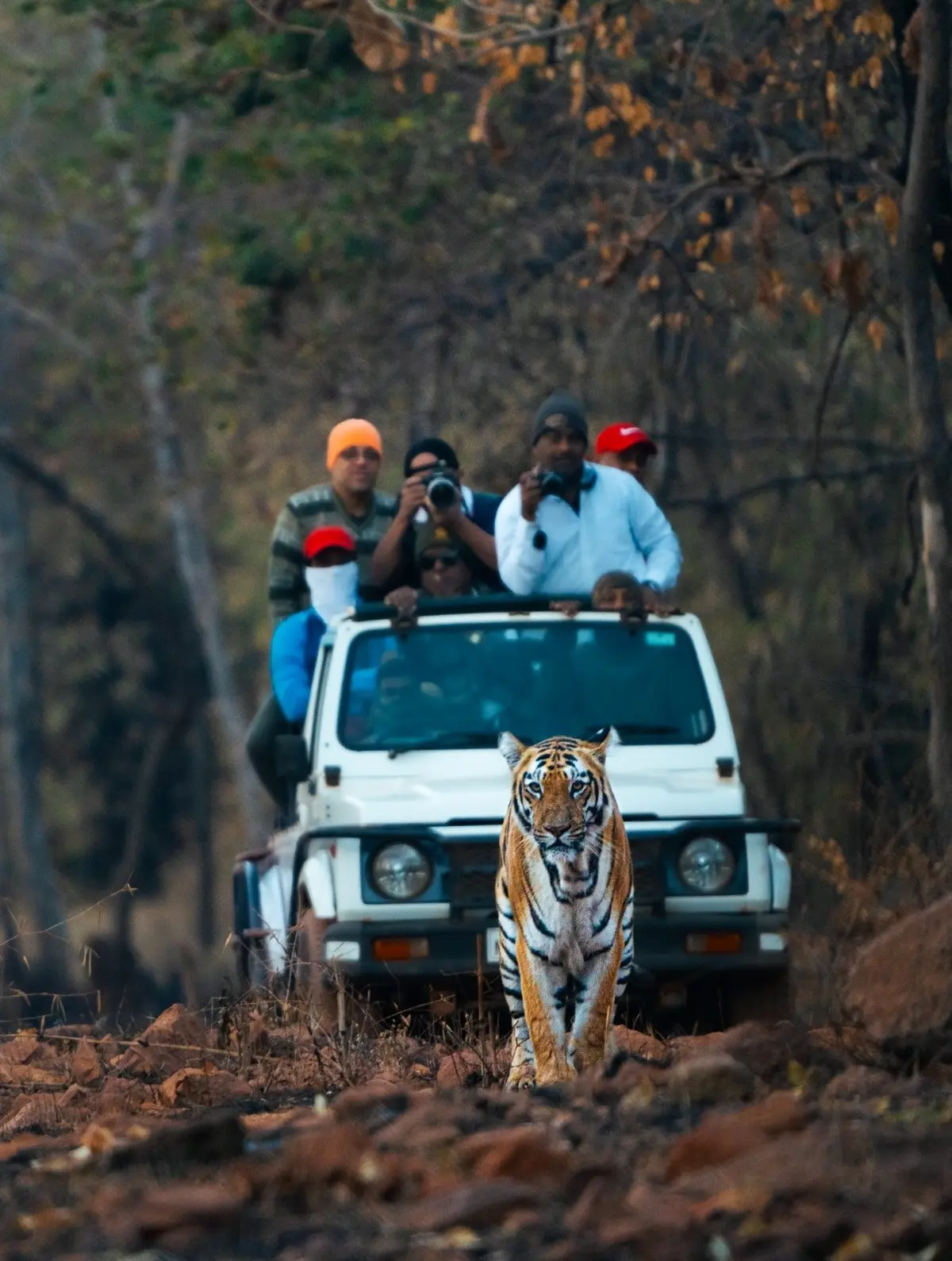
Jungle Safari
The main event. A 3.5 to 4 hour Gypsy drive through grassland, dry deciduous forest and river crossings, in a morning or evening slot. Gypsy is the only official safari vehicle here — there are no canters.
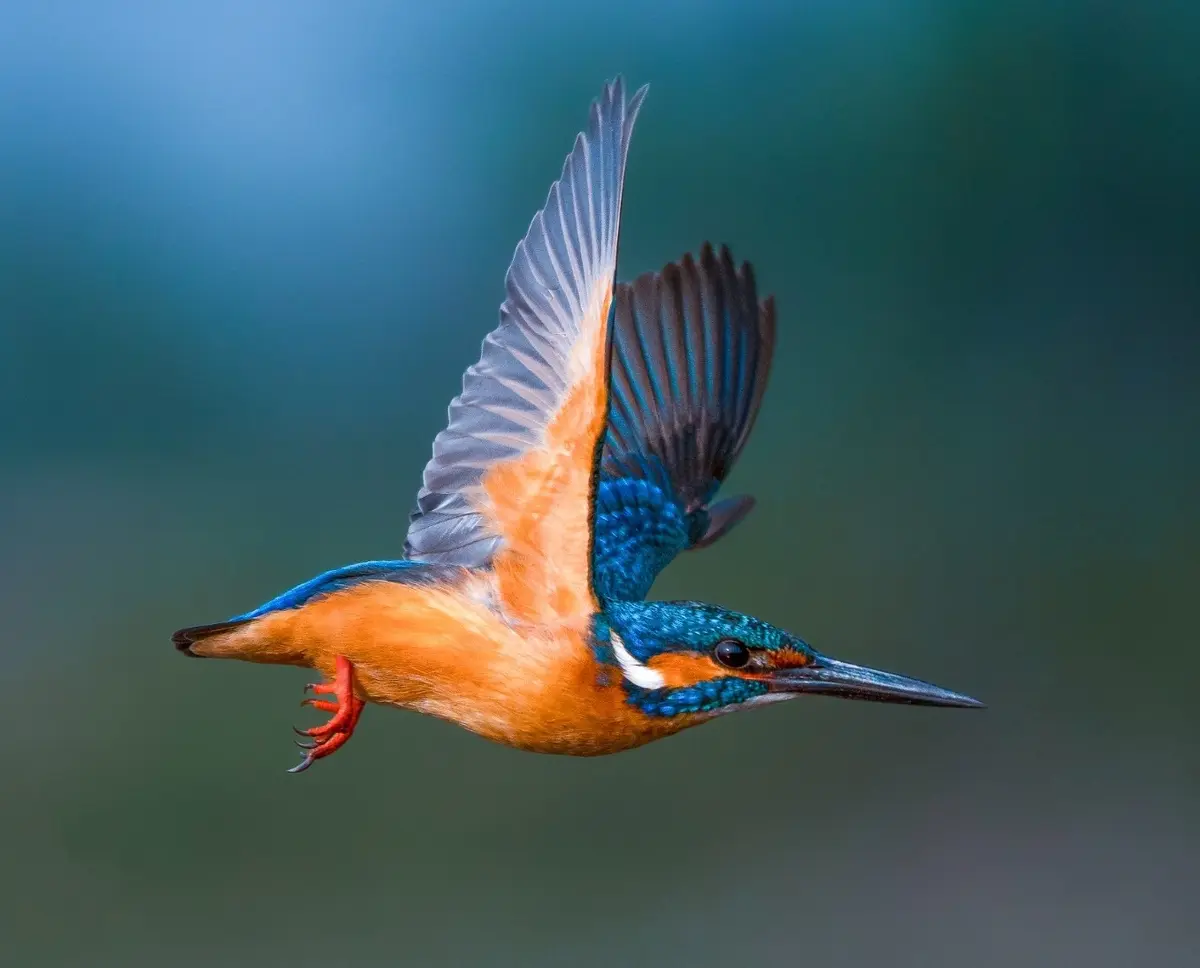
Birds Watching
Over 200 recorded species, including the Forest Owlet, rediscovered here after 123 years. Indian eagle-owl, painted spurfowl, changeable hawk-eagle and paradise flycatcher are all regulars.
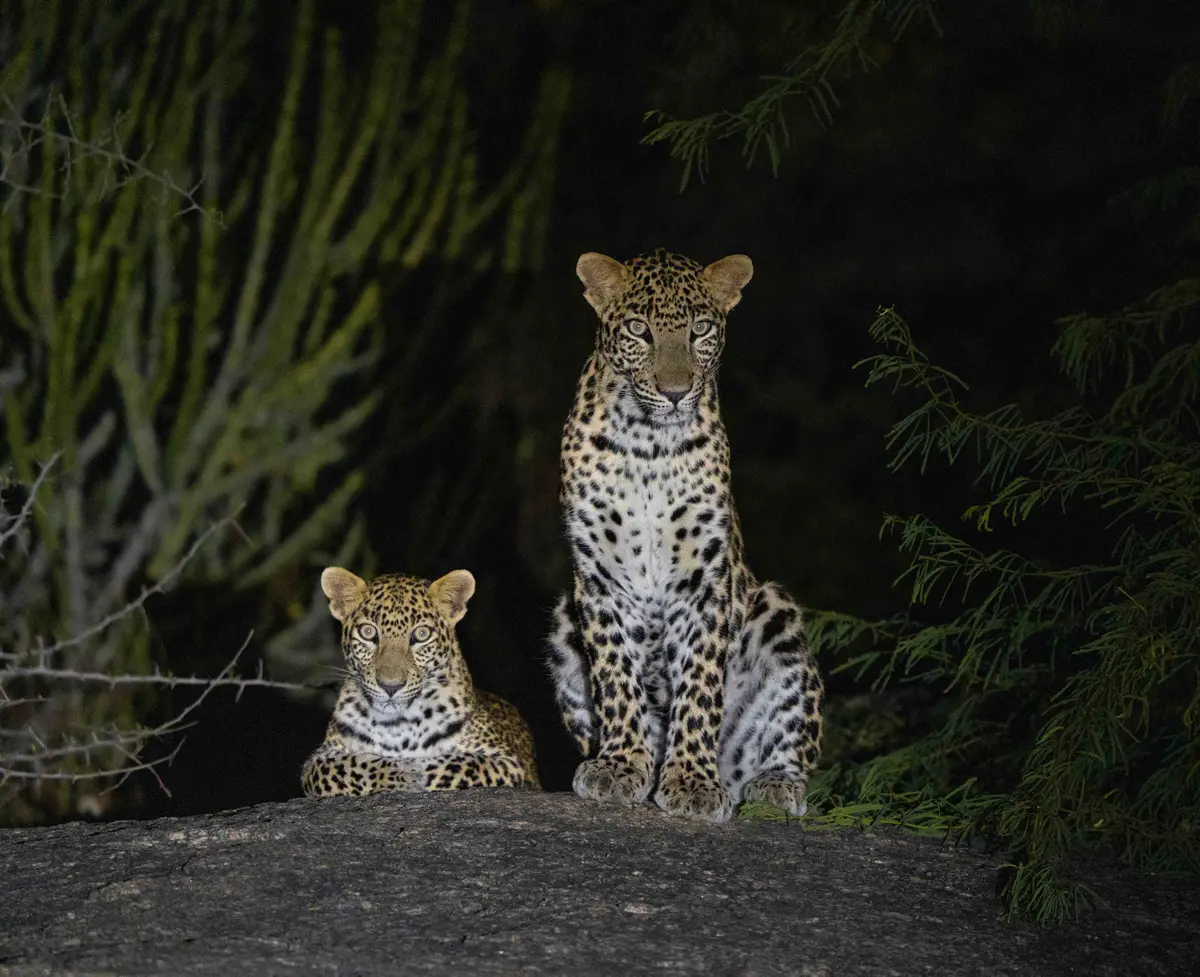
Night Drive
On the buffer roads outside the core, after dark — the window for nocturnal species like striped hyena, jungle cat, civets and nightjars that you rarely see on a day drive.
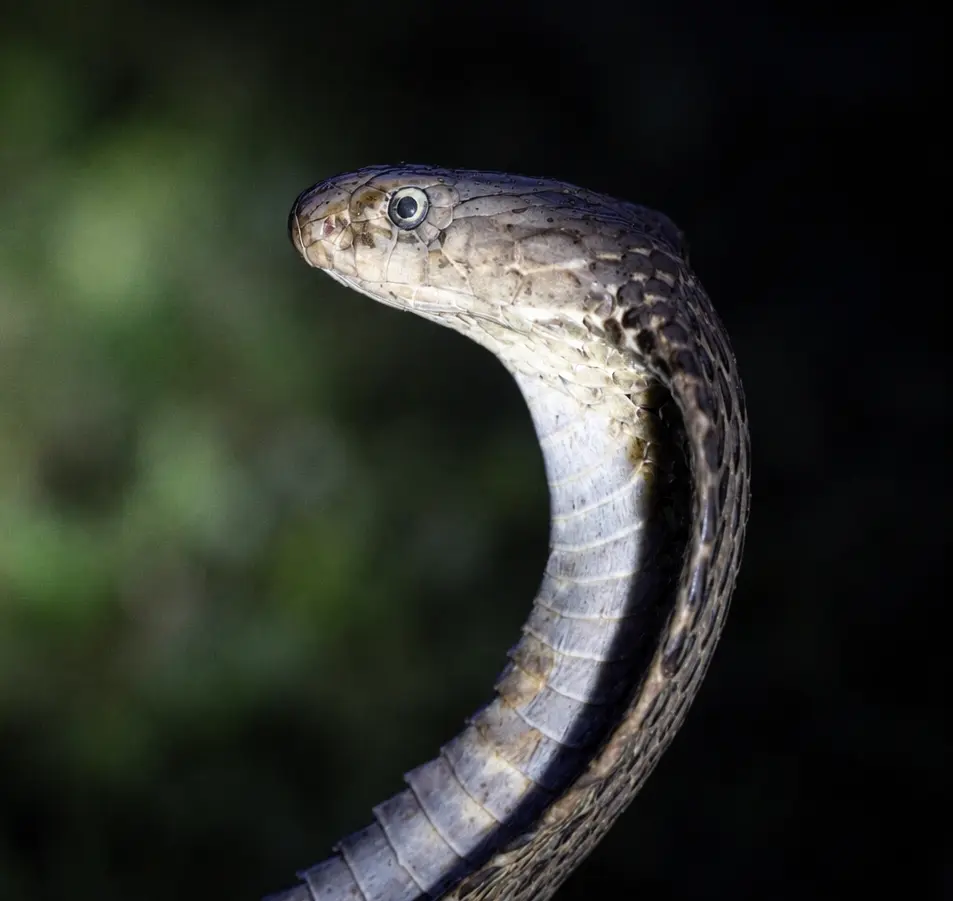
Herping
Reptile and amphibian walks with the person who has handled 150-plus rescues. Rock pythons, mugger crocodiles and a long list of snakes and lizards, approached safely and without disturbing them.
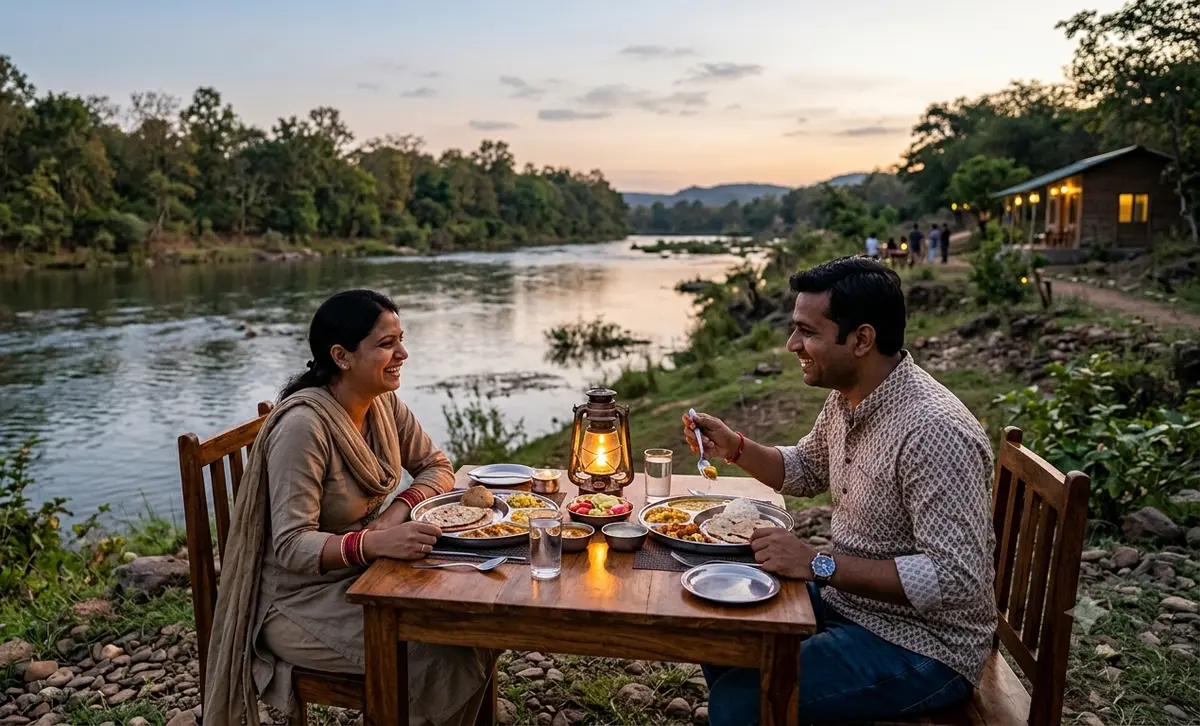
River Side Dinner
Dinner beside the water at the end of a safari day. Quiet, no schedule, and usually the point at which the day's sightings get argued over properly.
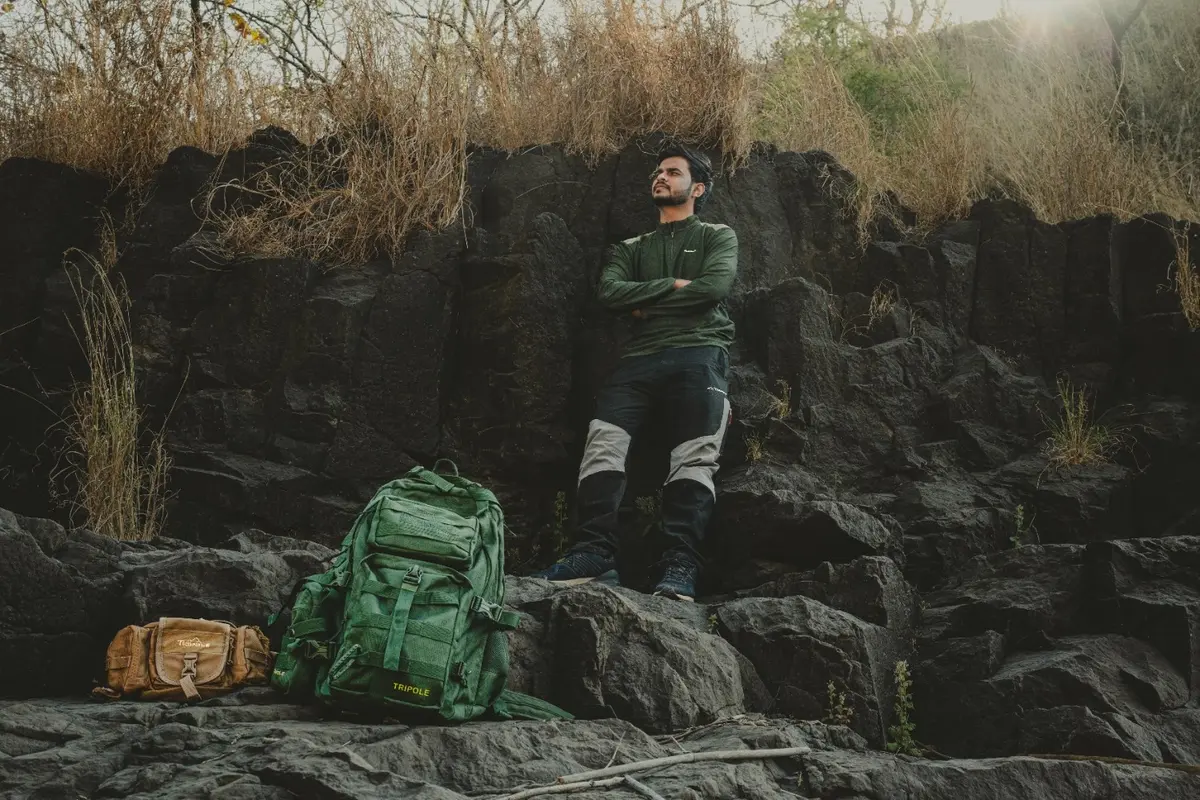
Trekking
Guided walks in the buffer and surrounding hills — tracks, scat, alarm calls and plants. The slow version of the safari, and the best way to learn how the forest is read.
Popular Attractions in Kuno
The forts, rivers and wildlife sanctuaries that surround Kuno National Park.
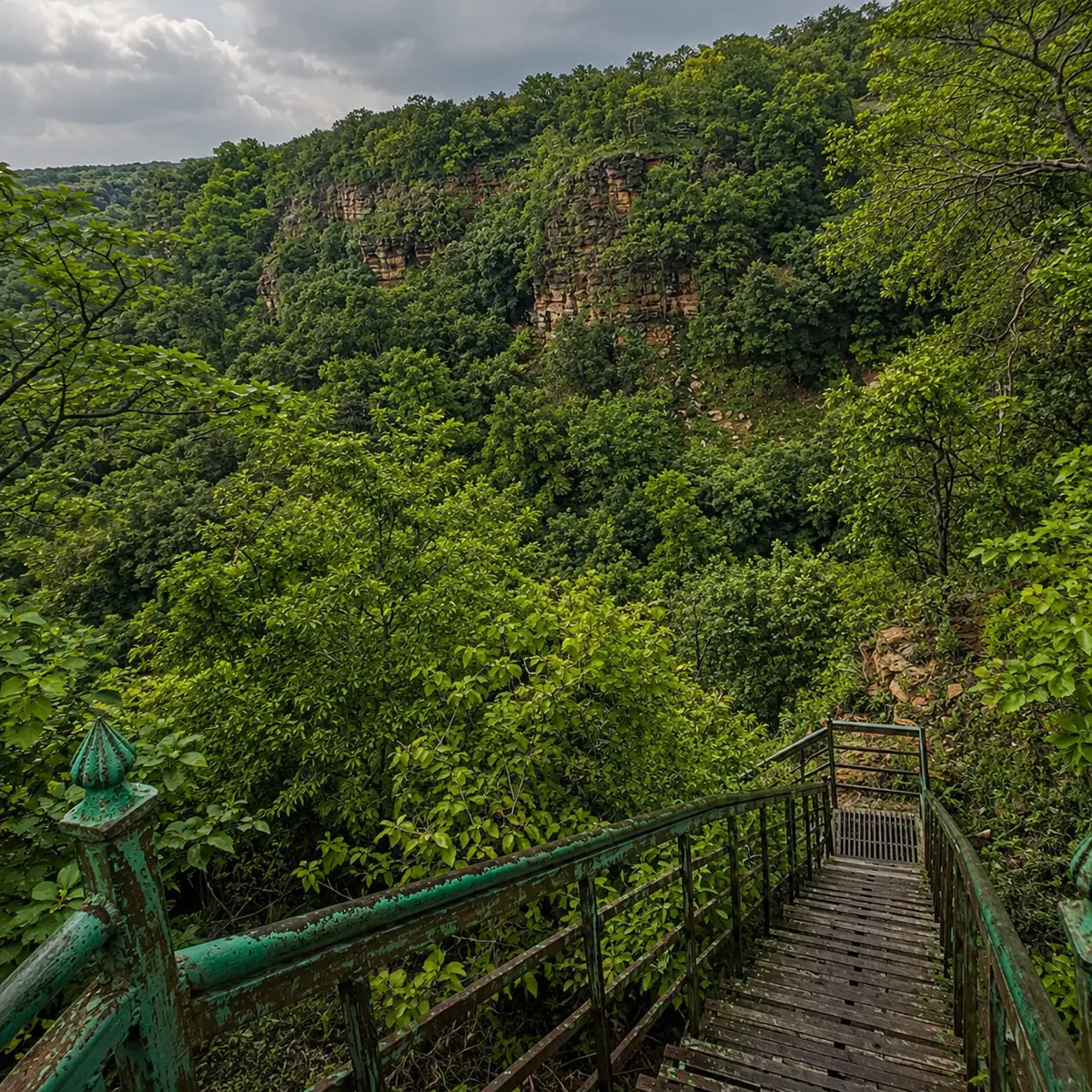
Dev Kho
Dev Kho is a scenic eco-tourism and pilgrimage spot in the Karahal region of Sheopur district, Madhya Pradesh.
Read More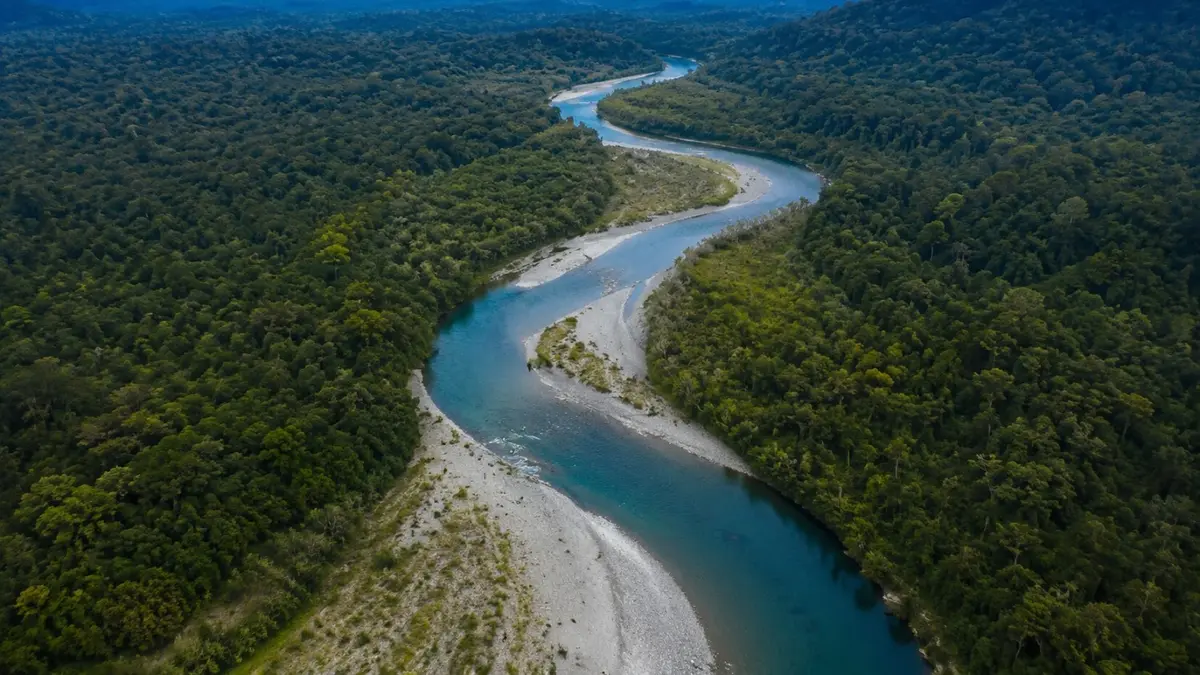
Kuno River
The lifeline of the park, flowing through its heart and supporting riverine forests, marsh crocodiles and a rich diversity of birdlife.
Read More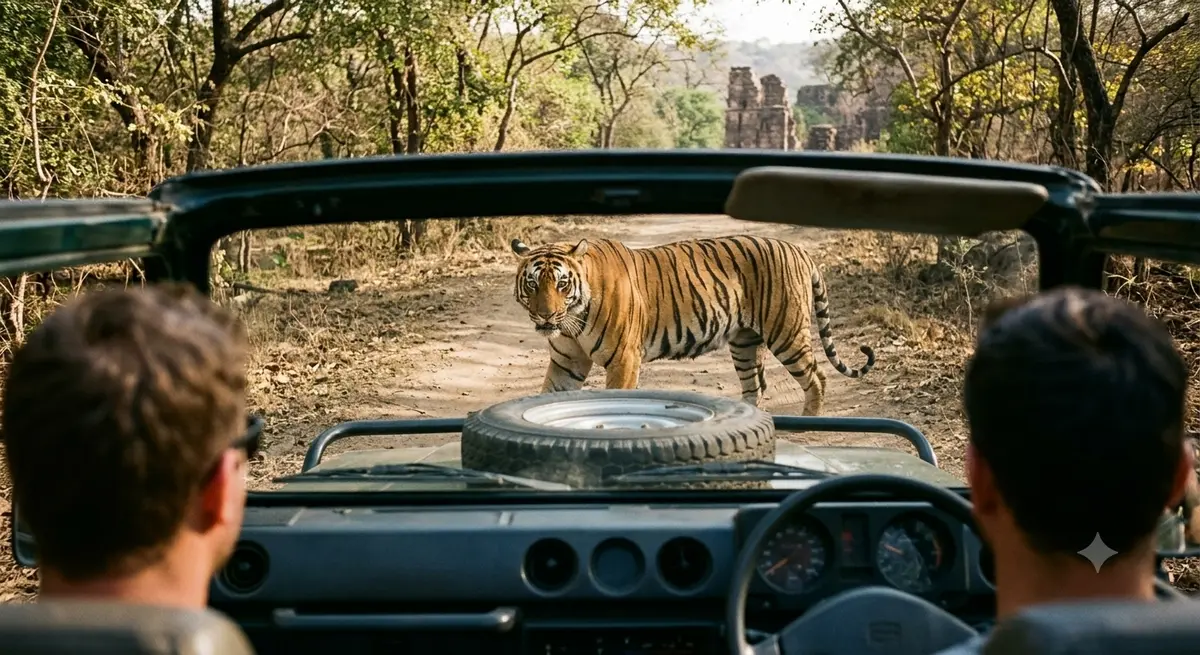
Madhav National Park
Madhav National Park is India's 58th Tiger Reserve, the sanctuary is home to tigers, leopards, nilgai, chinkara, sambar, and barking deer.
Read More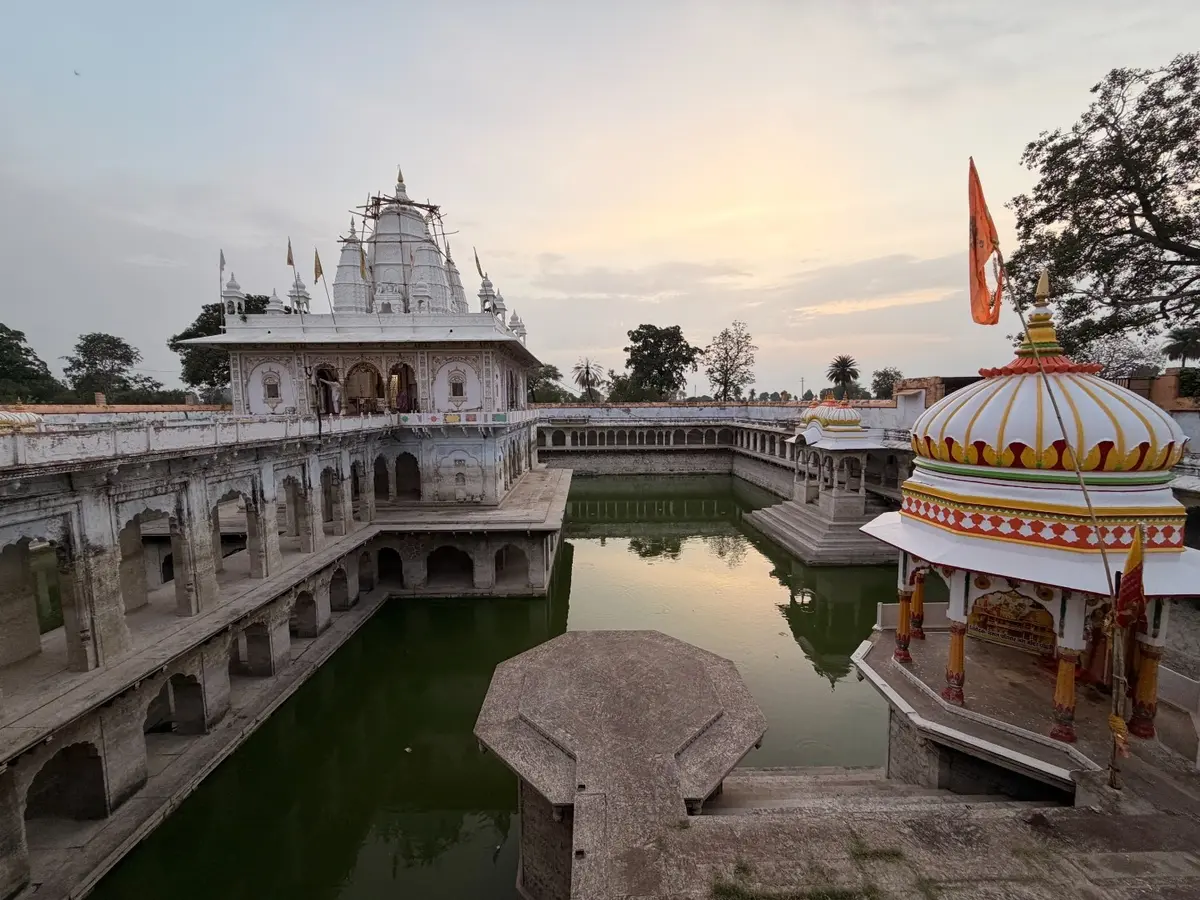
Jal Mandir
The Jal Mandir in Pohari, located about 35 km from Shivpuri in Madhya Pradesh, is a unique 3-story shrine constructed in 1811.
Read More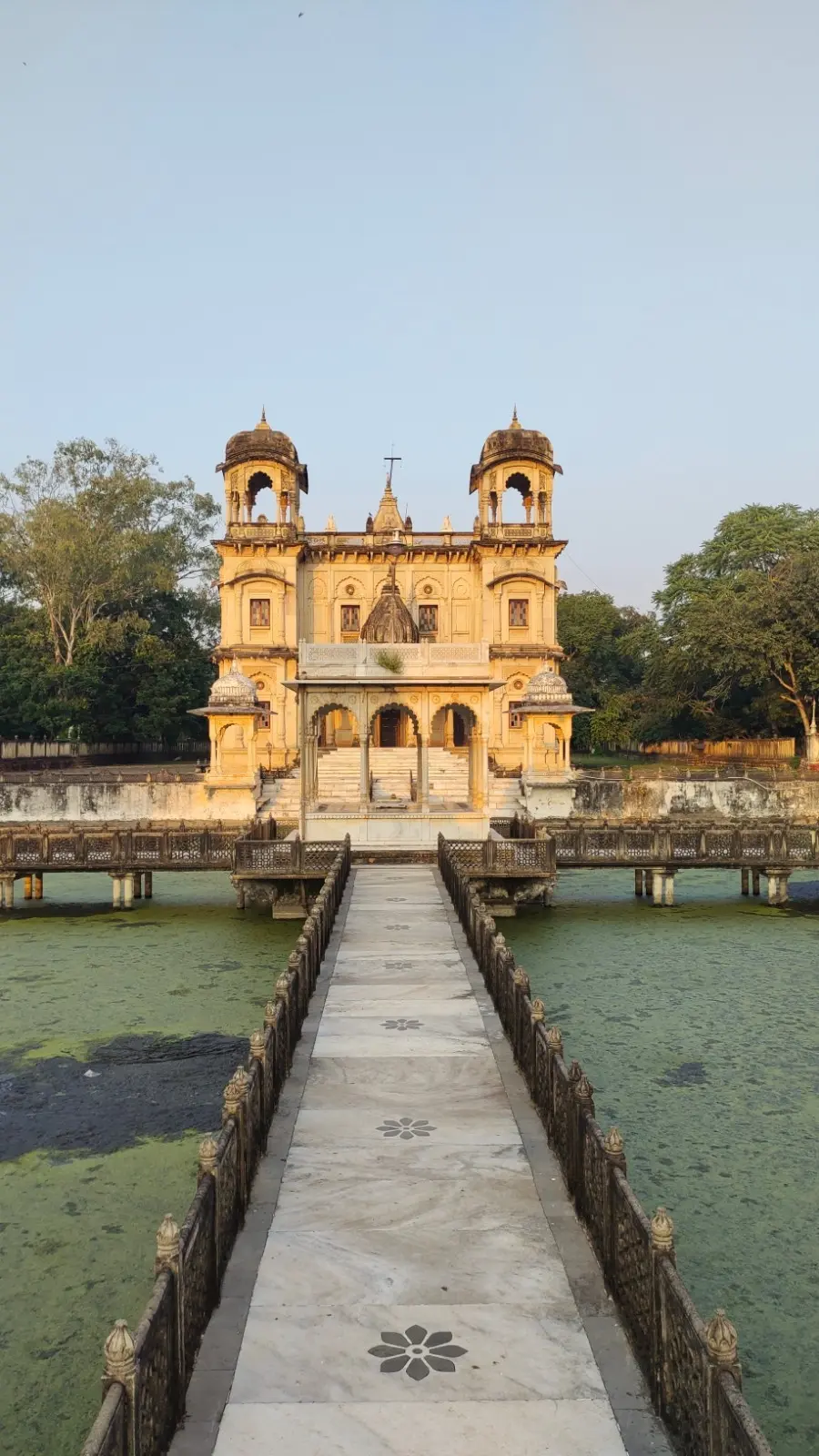
Chhatri
The Chhatris of Shivpuri are a magnificent set of marble cenotaphs built by the Scindia dynasty in Madhya Pradesh.
Read More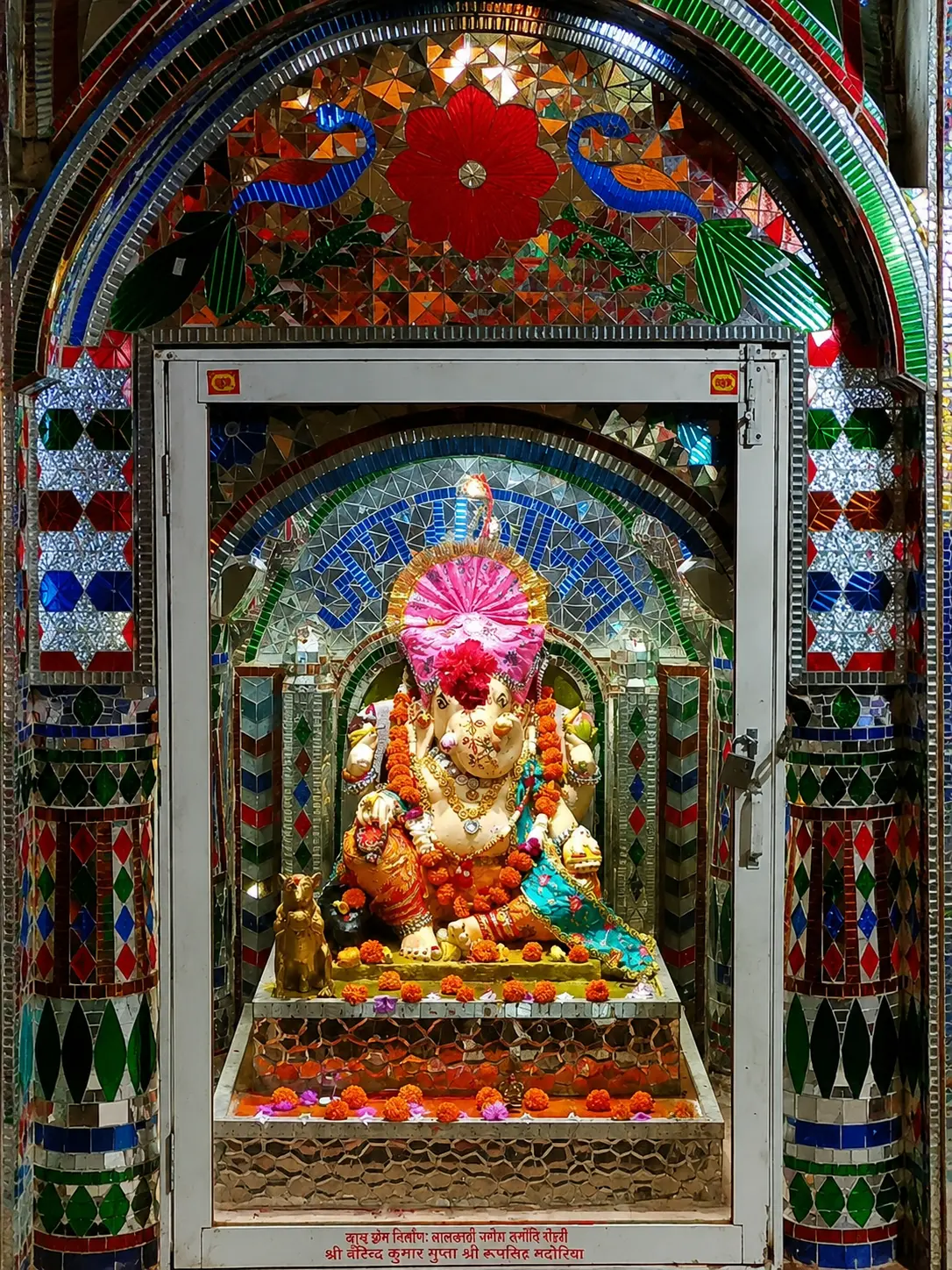
Best Time to Visit Kuno National Park
Summer Season
During the summer season, from April to June, temperatures can rise above 40°C. However, this is one of the best times for wildlife sightings, as animals frequently gather around water sources. Early morning safaris often provide excellent opportunities to spot cheetahs, leopards and other wildlife.
Monsoon Season
The monsoon season, from July to September, transforms Kuno into a lush green landscape. During this period, the park remains closed for tourism, allowing the forests and wildlife to thrive undisturbed. The rains rejuvenate the grasslands and riverine habitats, making the park vibrant before the safari season resumes.
Winter Season
The winter season, from October to March, is considered the ideal time to visit Kuno National Park. Pleasant temperatures, clear skies and comfortable safari conditions make it perfect for exploring the park. Wildlife remains active throughout the day, offering excellent opportunities for photography, birdwatching and unforgettable safari experiences.
How to Reach Kuno National Park?
By Air
The nearest airport to Kuno National Park is Gwalior Airport, located approximately 165 km away. Other convenient airports include Jaipur (290 km) and Bhopal (390 km). Taxis and private vehicles are readily available from these airports to reach the park.
By Rail
The nearest railway station is Shivpuri Railway Station, situated approximately 35 km from Kuno National Park. Gwalior Junction, around 165 km away, is the nearest major railway station with excellent connectivity to Delhi, Mumbai, Jaipur and other major Indian cities. Taxis and private vehicles are easily available from both railway stations.
By Road
Kuno National Park is well connected by road to major cities in Madhya Pradesh and Rajasthan. The park is approximately 165 km from Gwalior, 35 km from Shivpuri, 290 km from Jaipur, 390 km from Bhopal, and 480 km from Agra. Well-maintained highways make travelling by private vehicle, taxi or bus a convenient option.
Top Places to Visit Near Kuno National Park
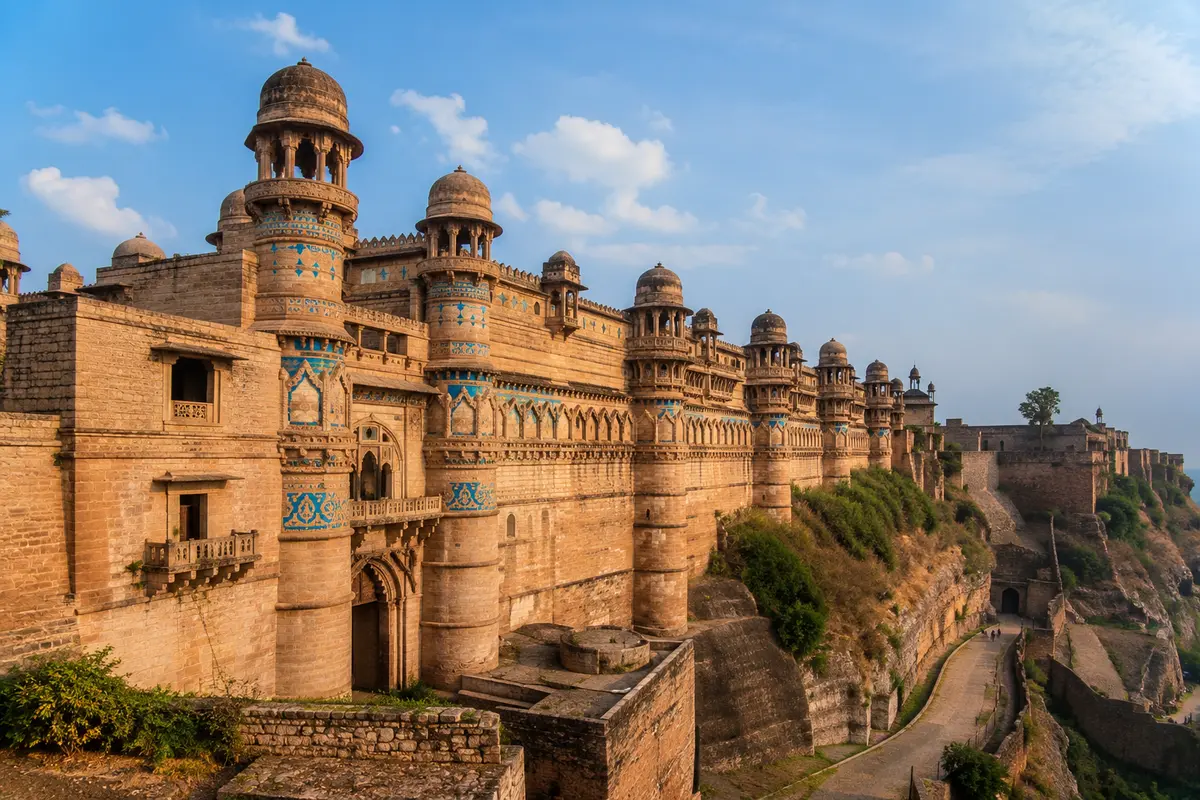
Gwalior
165 km. The arrival city for almost everyone — and worth a day for Gwalior Fort, Jai Vilas Palace and the Sas Bahu temples.
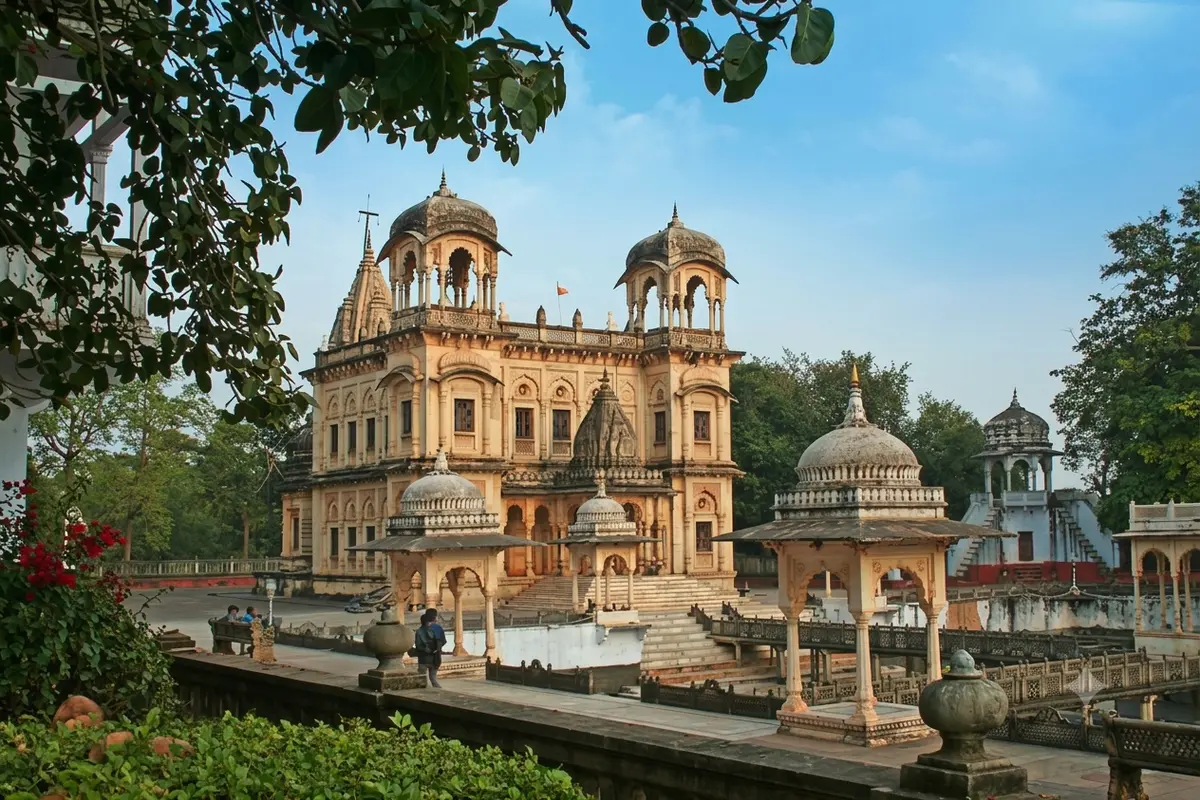
Shivpuri
35 km. Nearest town and railway station, home to the Scindia marble Chhatris and the gateway to Madhav National Park.
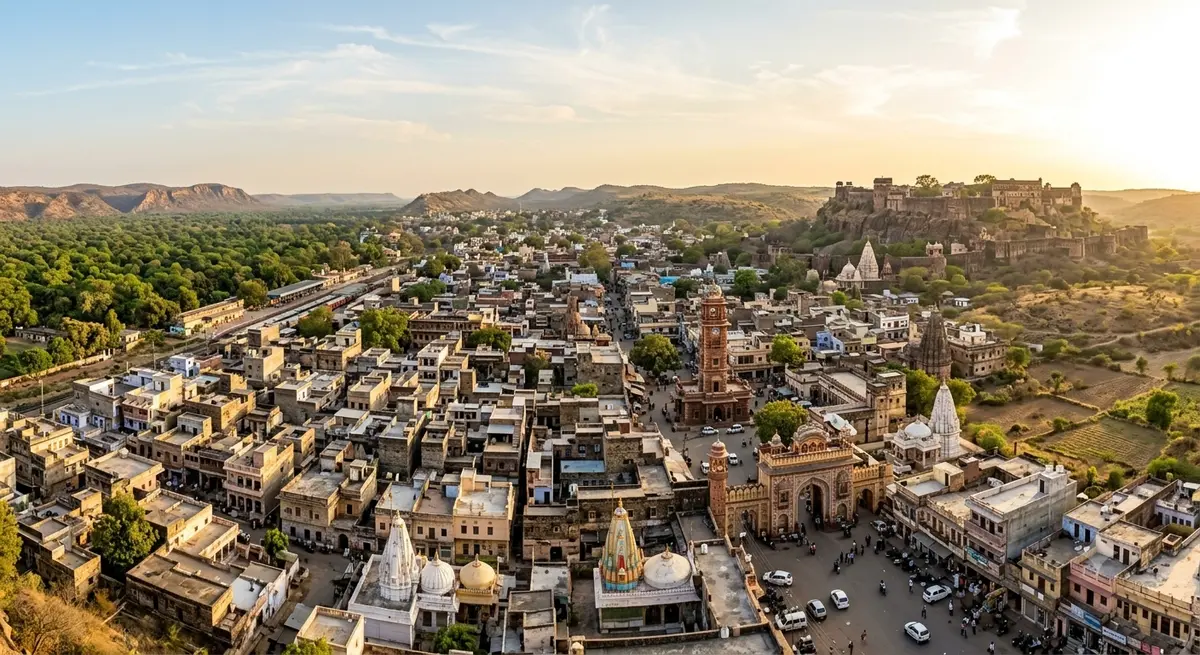
Sawai Madhopur
170 km. The base for Ranthambore, which makes a combined cheetah-and-tiger itinerary genuinely practical.

Agra
480 km. Works as part of a longer Golden Triangle route rather than a side trip from the park.
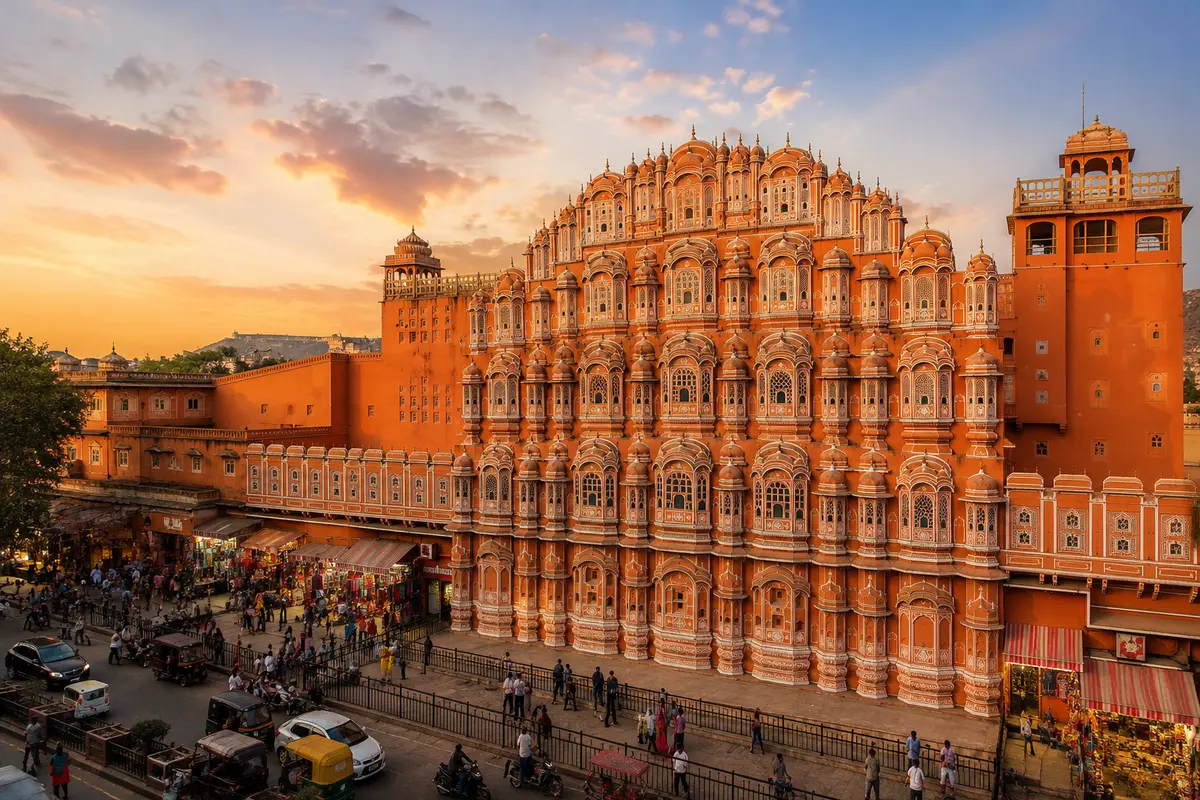
Jaipur
290 km, five to six hours. The second-nearest airport and an easy add-on for anyone travelling through Rajasthan.

Orchha
280 km. Bundela palaces and cenotaphs on the Betwa river — the quietest of the heritage stops near Kuno.
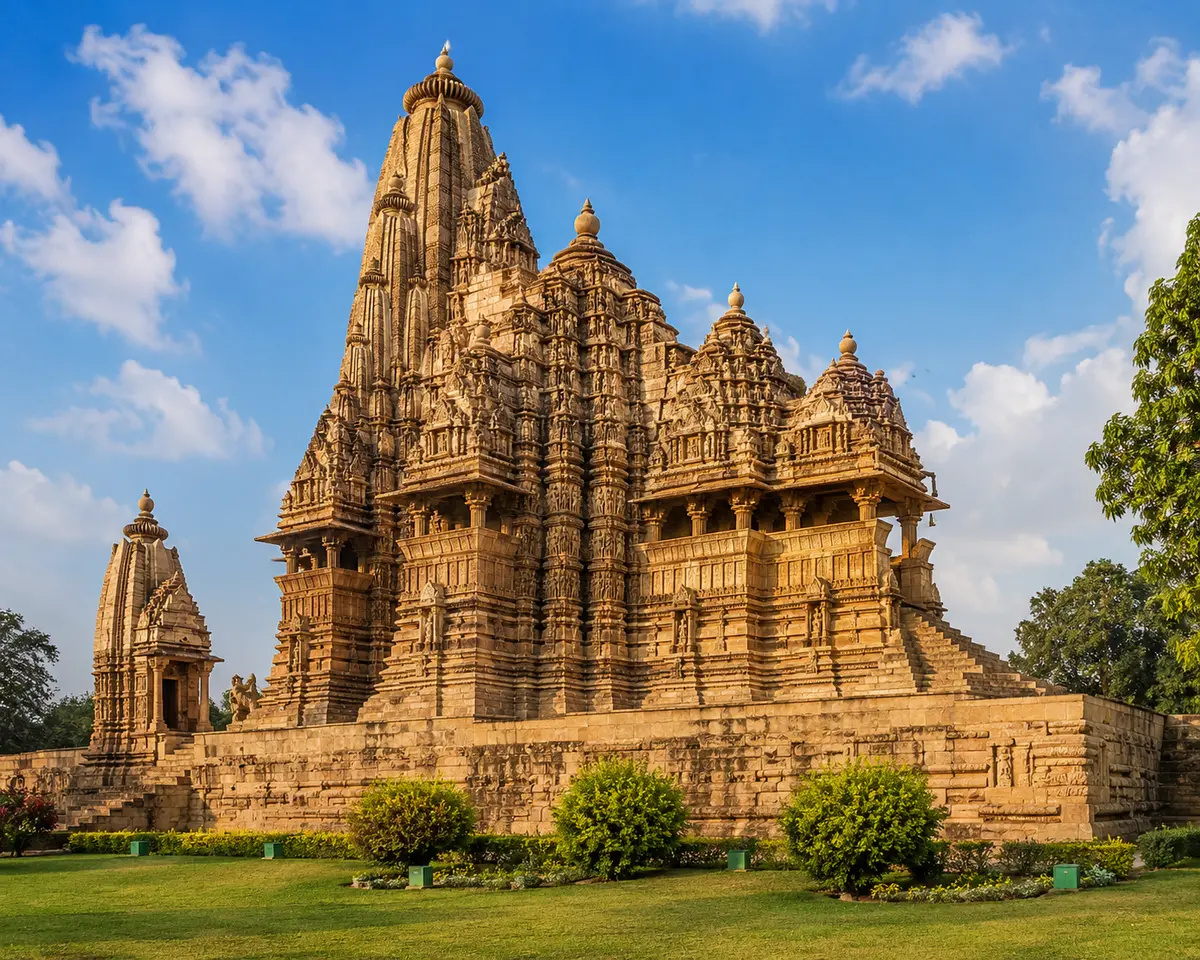
Khajuraho
The UNESCO temple complex, best reached via Orchha if you are extending the trip east.
Planning a Visit to Kuno National Park
Permits, prices, zones and timings — everything you need before booking.
Safari booking & permits
How the permit system actually works, why the Gypsy is arranged separately, and what documents you need.
Safari price & cost
Forest Department charges, our package pricing, and what a four-day trip really costs end to end.
Safari zones & gates
Ahera, Tiktoli and Peepalbawri compared on sightings, roads, vehicles and where to stay.
Best time to visit
Month-by-month weather, sighting odds, safari timings and when the park closes.
How to reach Kuno
Distances and drive times from Gwalior, Shivpuri, Delhi, Jaipur, Agra and Bhopal.
Where to stay
Homestay versus lodge, distance to each gate, and what to look for in a Kuno stay.
People Also Ask About Kuno
Where is Kuno National Park located?
Kuno National Park is located in the Sheopur district of Madhya Pradesh, approximately 165 km from Gwalior and is best known as the home of India’s African cheetahs.
What animals can I see in Kuno National Park?
Visitors can spot cheetahs, leopards, sloth bears, striped hyenas, wolves, jackals, chital, sambar, nilgai, chinkara, crocodiles and over 200 species of birds.
What is the best time to visit Kuno National Park?
The best time to visit is from October to March for pleasant weather, while April to June offers excellent wildlife sightings as animals gather near water sources.
When is Kuno National Park closed?
Kuno National Park generally remains closed for tourists during the monsoon season (July to September) and reopens in October, subject to Forest Department notifications.
Which is the nearest airport and railway station to Kuno National Park?
Gwalior Airport is the nearest airport, while Shivpuri Railway Station and Gwalior Junction are the most convenient railway stations for visitors.
Can I carry a camera inside Kuno National Park?
Yes. Visitors are allowed to carry still cameras and mobile phones during safari. Professional videography equipment may require additional permissions as per Forest Department regulations.
How can I book a safari in Kuno National Park?
Safari bookings can be made online through the Forest Department or through authorised safari operators such as Finding Fauna.
How many safaris should I book in Kuno National Park?
Wildlife sightings vary on every drive. Booking 2–4 safaris is recommended for the best chance of seeing cheetahs, leopards and other wildlife.