
Beyond the Safari
Wildlife rescue, community education, and conservation stories from Kuno National Park.
Highlights
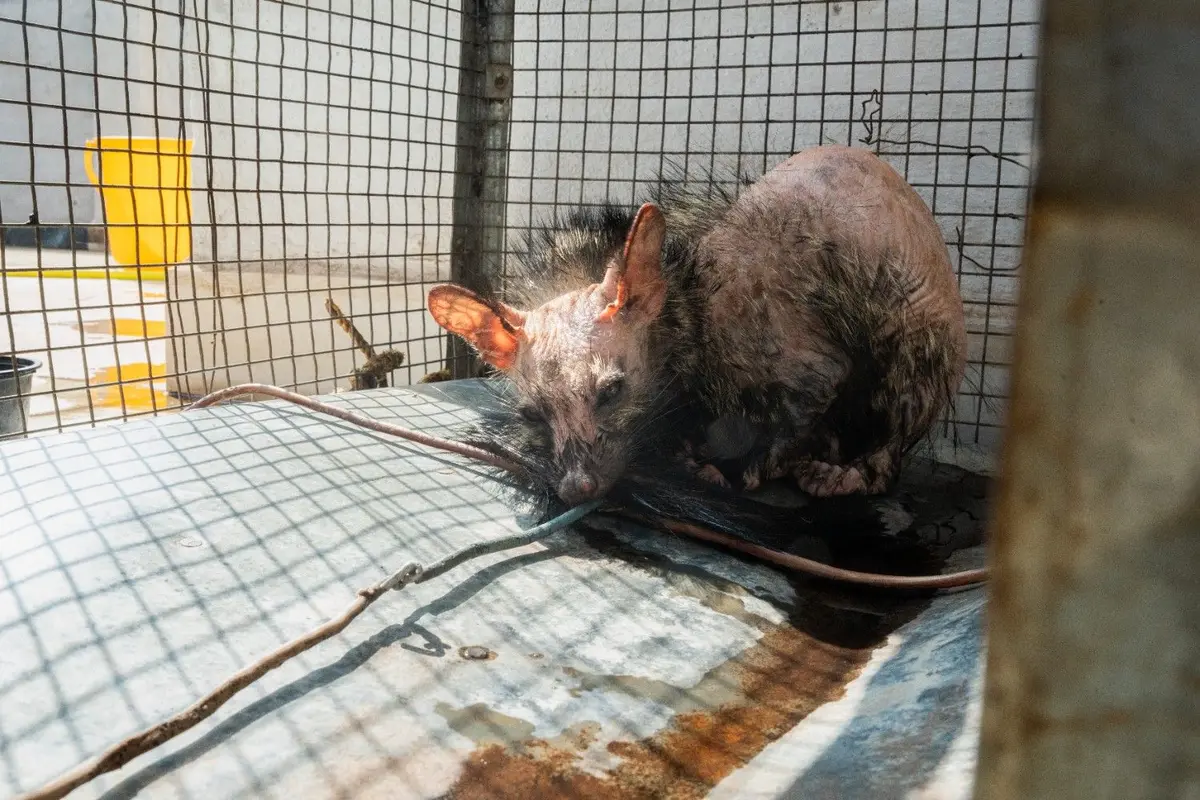
Wildlife Rescue & Rehabilitation
Our trained team safely rescues wild animals that enter human areas due to habitat loss or conflict. Using proper techniques, we handle snakes, birds, leopards, and more with care. Injured animals are rehabilitated in coordination with the forest department and released back into the wild, ensuring the safety of both people and wildlife.
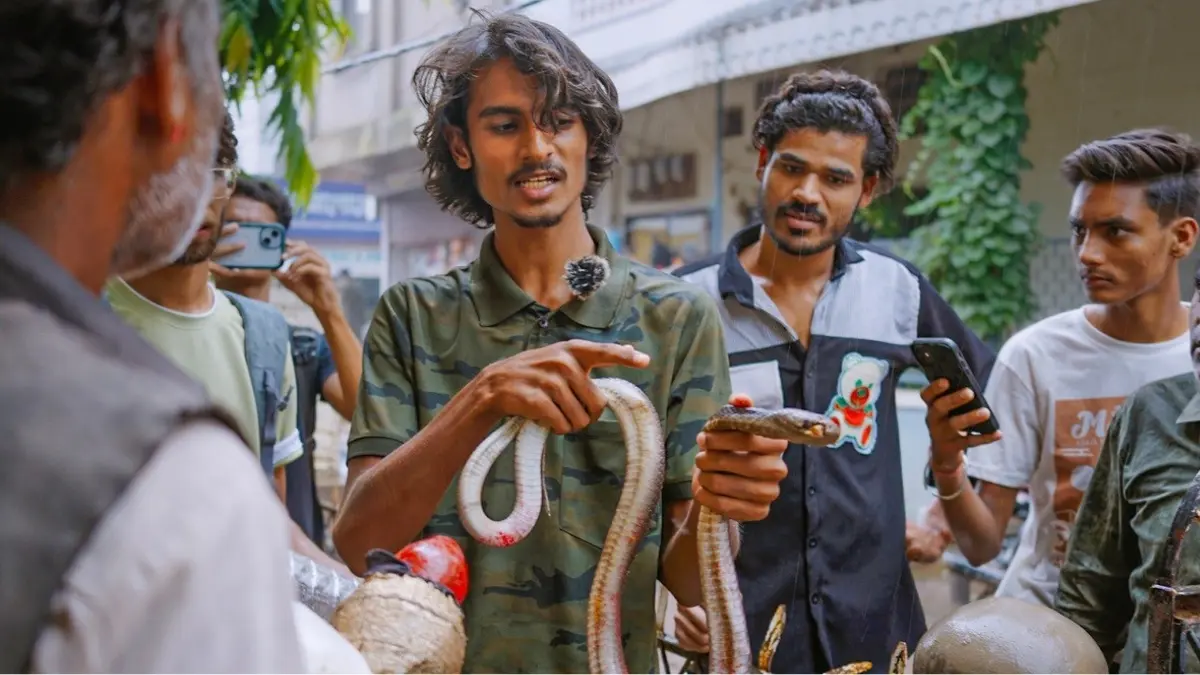
Educating Local Communities
To protect wildlife, we engage with communities near Kuno National Park, educating them on safe animal interactions, the importance of each species, and dispelling harmful myths. This awareness fosters understanding, reduces fear, and encourages peaceful coexistence with wildlife.
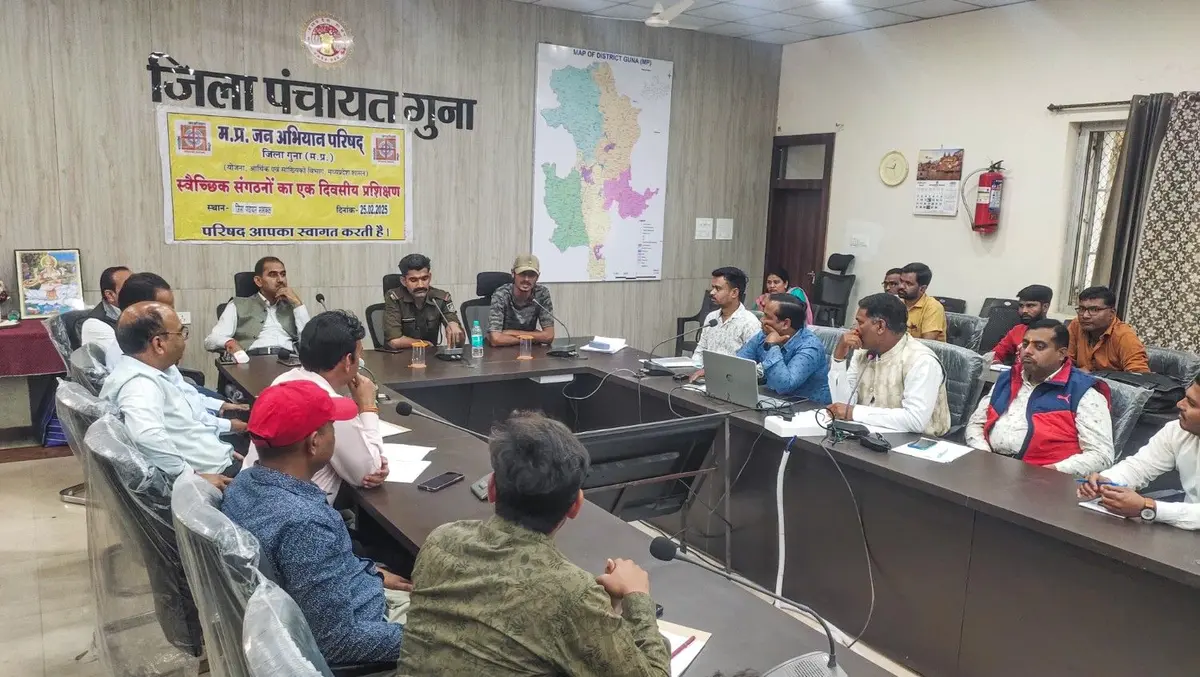
Awareness Sessions with Forest Department
We support the Madhya Pradesh Forest Department by conducting awareness and training sessions for students, forest guards, interns, and villagers. These sessions cover wildlife conservation, safe response to animal encounters, live rescue demos, and discussions on forest laws and habitat protection.
Our Groundbreaking Moments
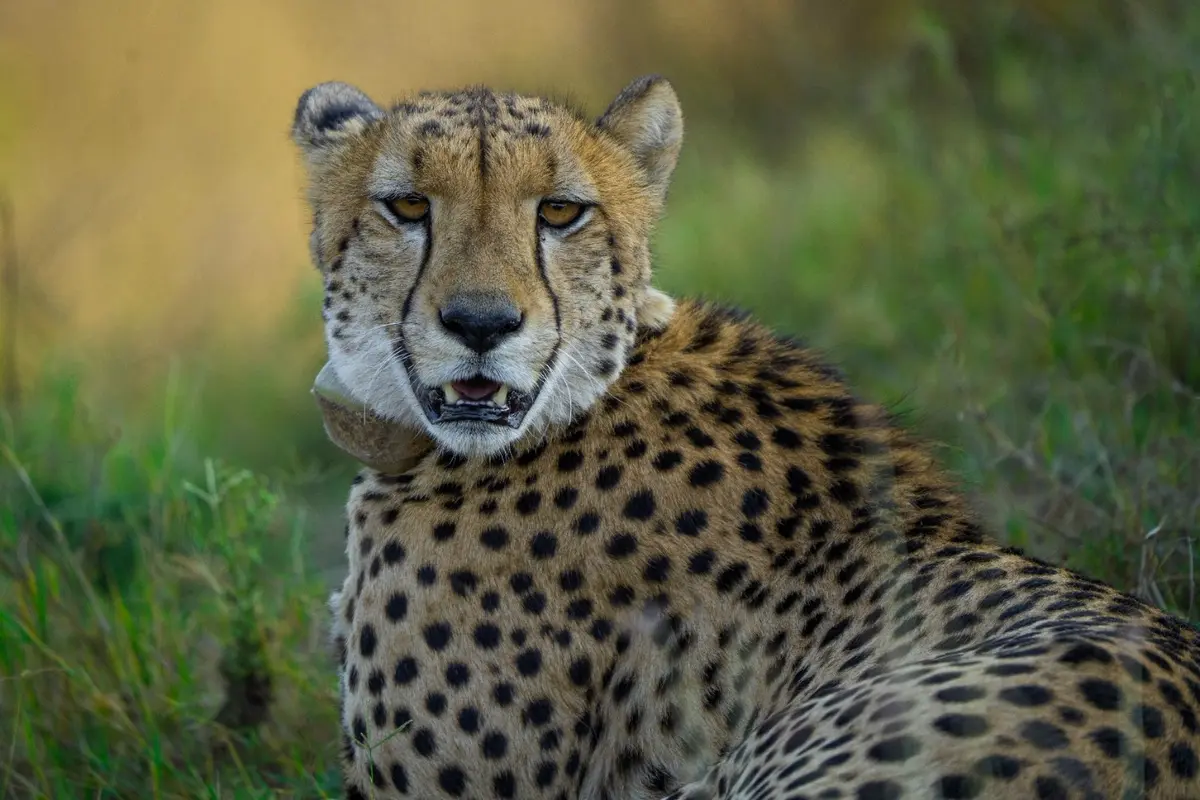
Cheetahs Return to India: A Historic First Glimpse
When Project Cheetah released the first animals from their enclosures into the wider Kuno landscape, we were in the field for it — and came away with what are, to our knowledge, the first photographs of a free-ranging cheetah in India since the species was declared extinct here in 1952.
Kuno had been prepared for large-carnivore reintroduction for two decades. Standing in a grassland watching the world's fastest land animal move across it, in India, is the single moment that shaped what Finding Fauna does now.
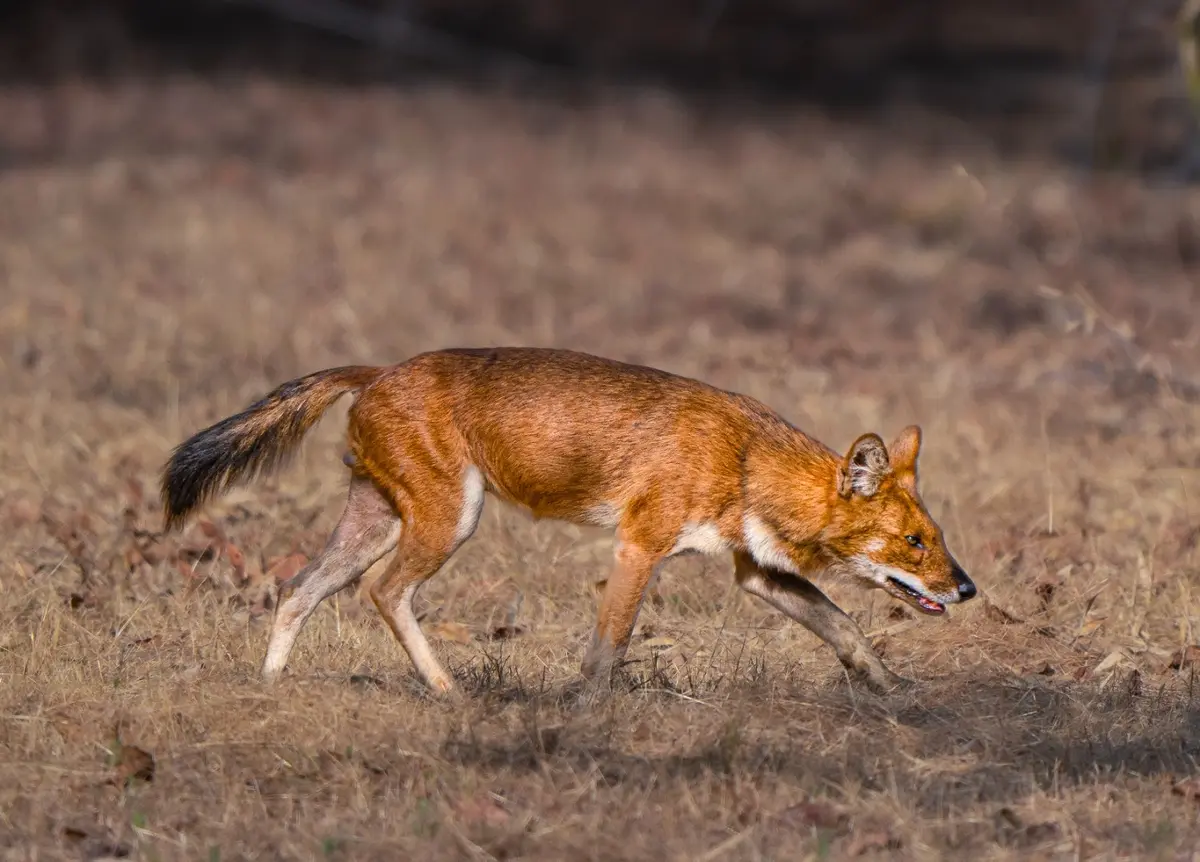
Dhole Spotted in Kuno After 15 Years
The Indian wild dog, or dhole, had not been recorded in Kuno for roughly fifteen years. Our team documented one in the park — evidence that the species is moving back into a landscape it had effectively vanished from.
Dholes are pack hunters that need large, connected, prey-rich habitat. Their reappearance says something about the state of the wider Kuno landscape that no single cheetah sighting can.
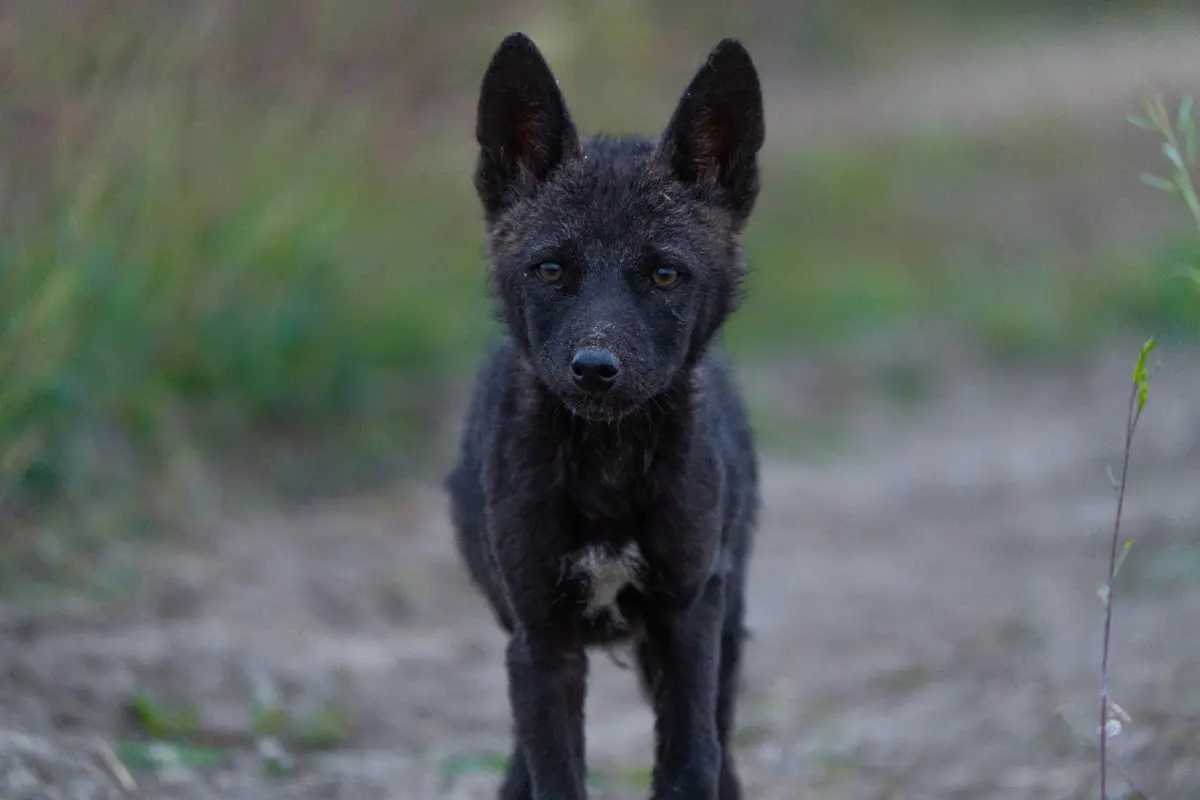
Rare Melanistic Indian Wolf Pups
Black-furred Indian wolf pups, photographed in the wild. Melanism in Indian wolves is genuinely rare and is documented only a handful of times — finding a litter of them was extraordinary.
Indian wolves are among the most threatened large carnivores in the country and are far harder to see than any of Kuno's big cats. We do not disclose den locations.
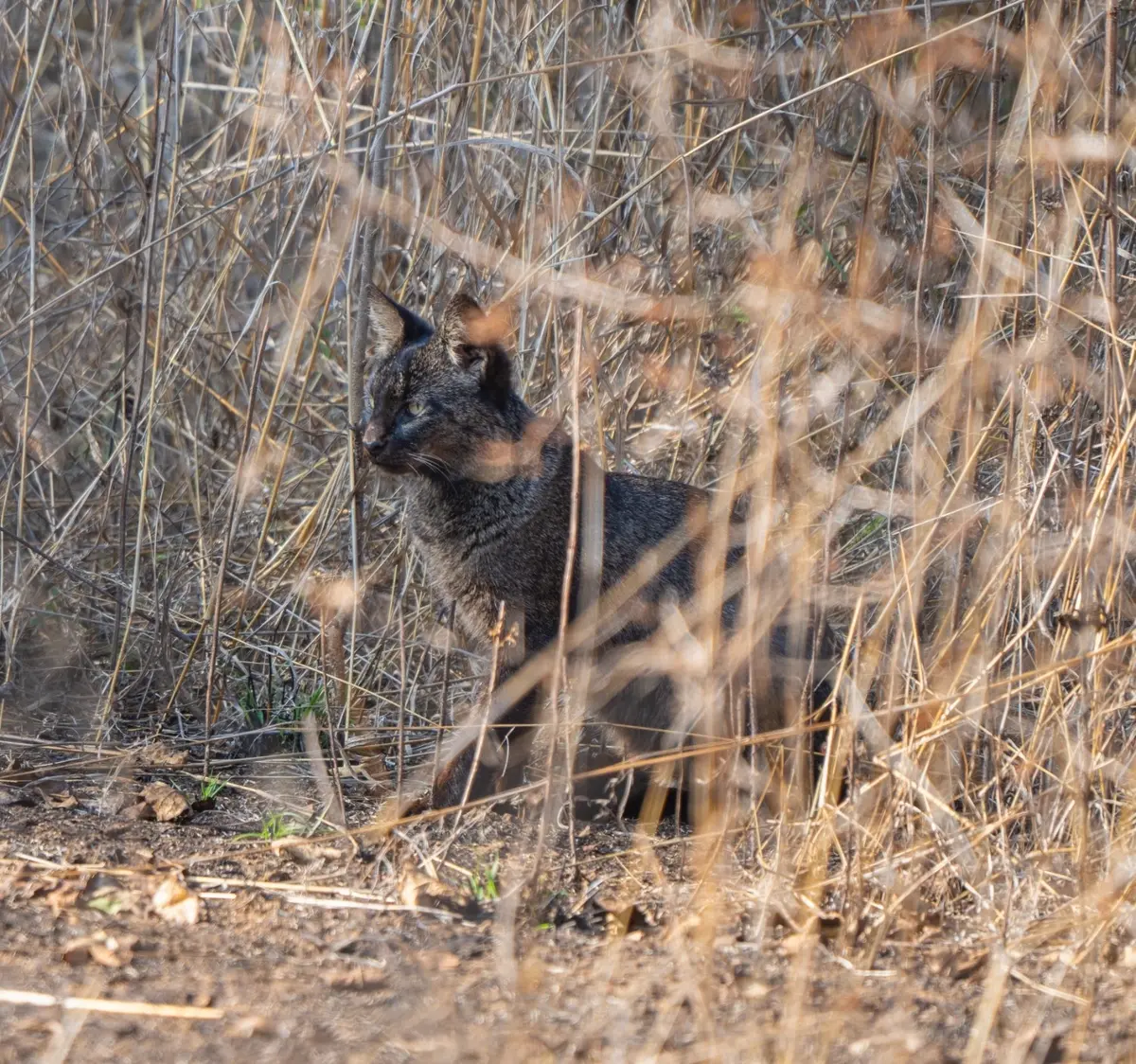
Rare Melanistic Jungle Cat in Kuno
A dark-coated jungle cat — another melanistic record from the same landscape, and an animal most visitors never see in its ordinary colouring, let alone this one.
Jungle cats are common across India but nocturnal, wary and easy to miss. Records like this one come from the night drives rather than the safari slots.
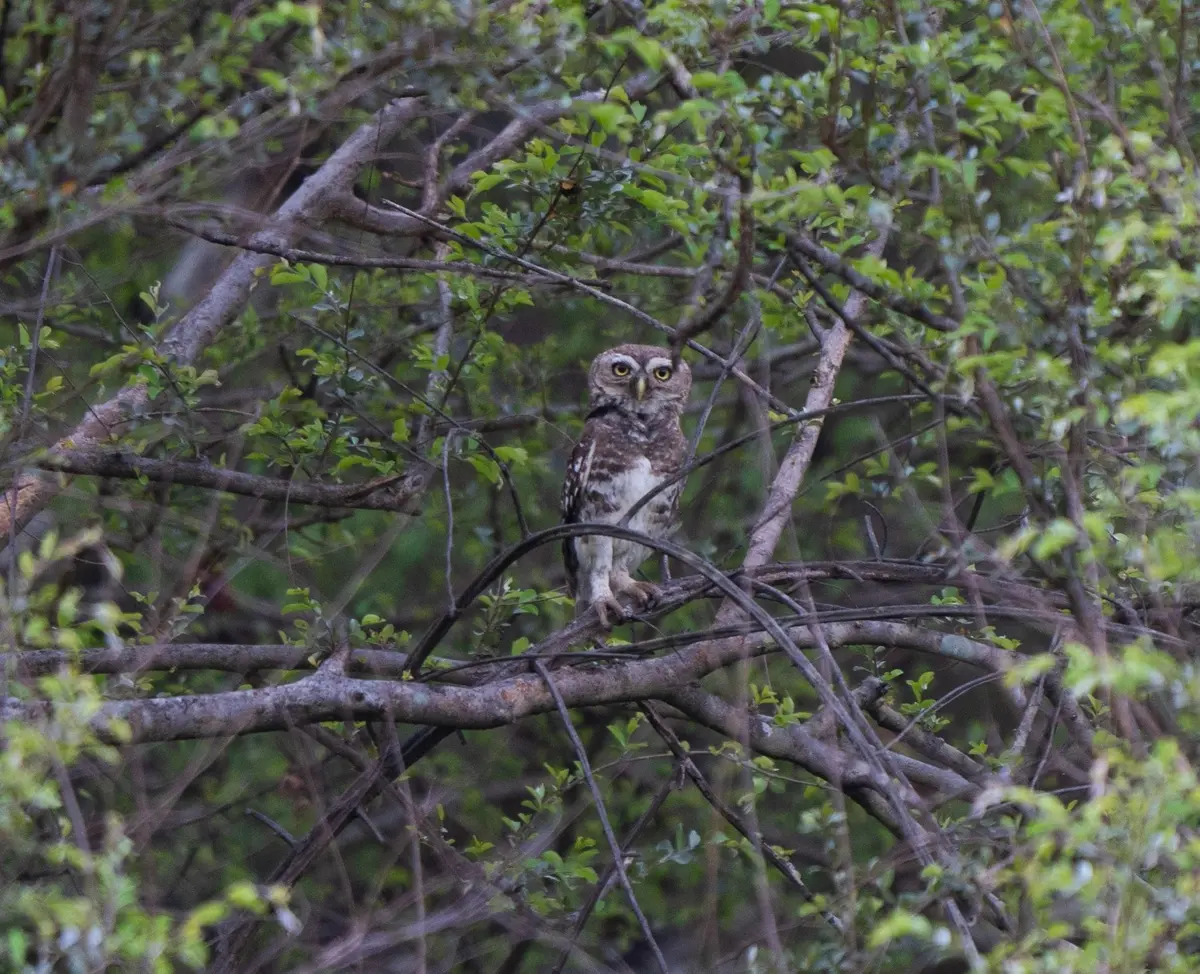
Forest Owlet Rediscovered in Kuno After 123 Years
The Forest Owlet was thought lost for most of the twentieth century and remains one of India's most threatened birds. Our team documented it in Kuno — the first record here in 123 years.
This is the discovery we are proudest of. It is also the clearest argument for why Kuno matters beyond Project Cheetah: the landscape holds species nobody was looking for.
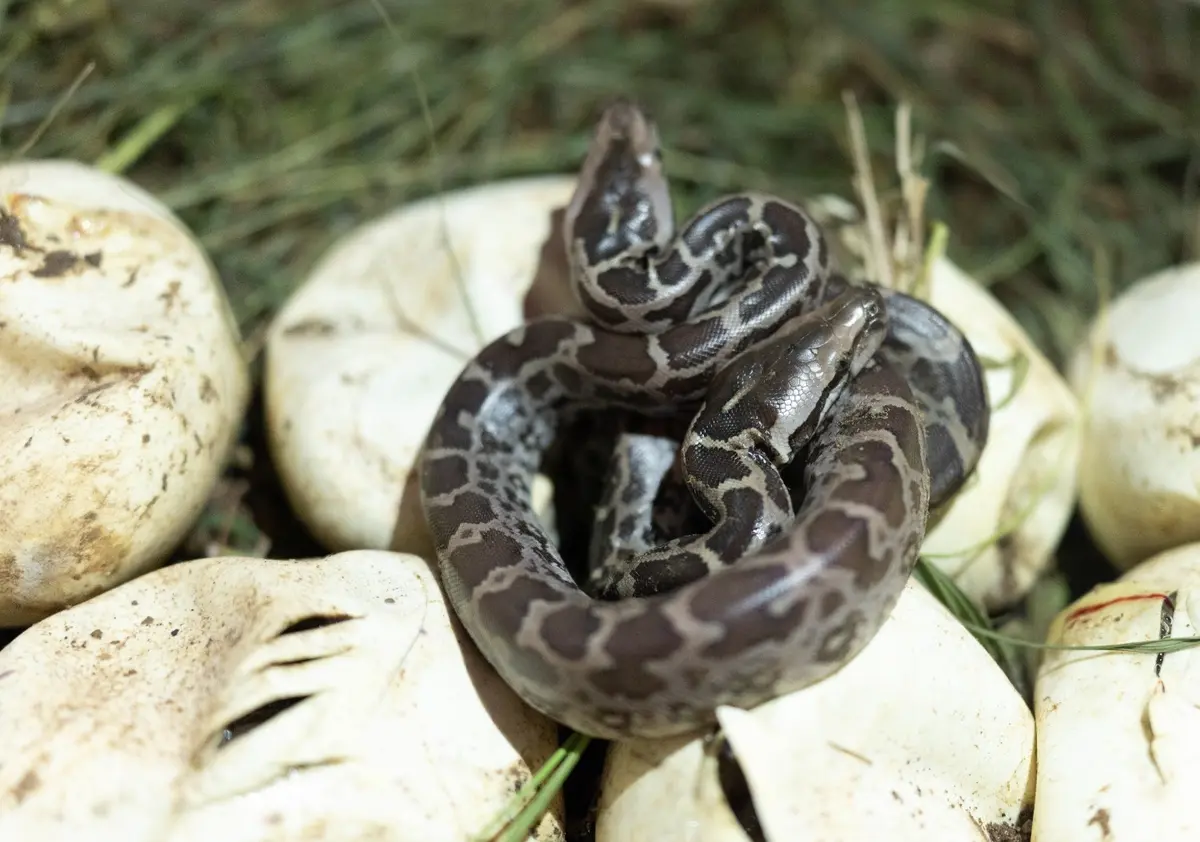
Indian Rock Python Hatchlings
A clutch of Indian rock python hatchlings emerging, photographed without disturbing the nest. Rock pythons are protected and slow-breeding, and a successful clutch is a good sign for the habitat around it.
Reptiles are the part of Kuno almost nobody comes for and the part our rescue work touches most often. They are also the easiest to harm through careless photography, which is why we keep our distance.
Our Values
The principles that guide our work and relationships.
Compassion for Wildlife
We treat all animals with care and dignity, ensuring their safety and well-being come first.
Ethical Exploration
We promote safaris and photography that celebrate nature without disturbing its delicate balance.
Community Engagement
By educating and involving local communities, we create lasting change and harmonious coexistence.
Authentic Storytelling
Through photography, films, and experiences, we share real stories that inspire awareness and action.
Conservation Impact
Our work goes beyond observation—rescuing animals, restoring habitats, and supporting forest departments.
Sustainable Future
We champion responsible tourism and mindful practices that safeguard the wild for generations to come.