Safari Booking System in Kuno National Park
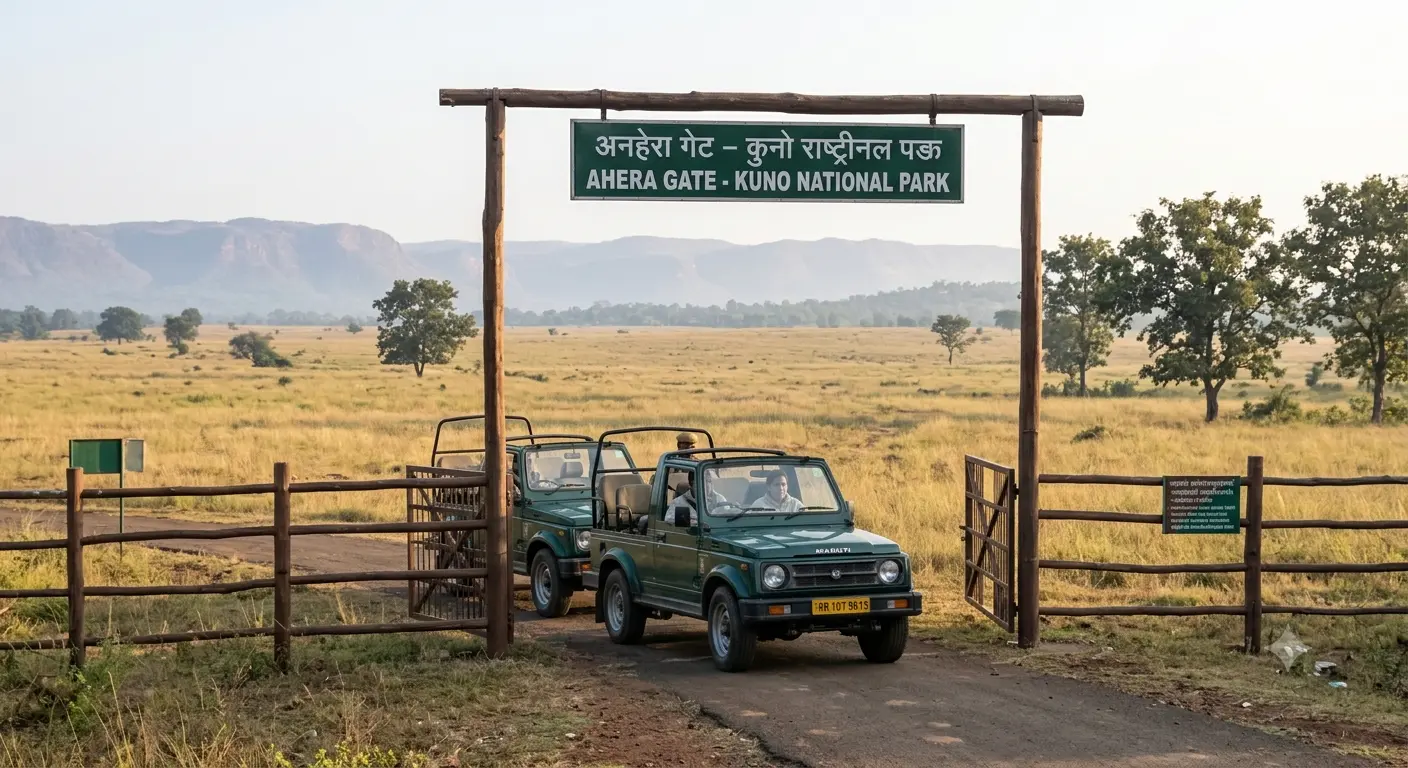
Currently, Gypsy Safari is the only official safari option available inside Kuno National Park. Unlike some other tiger reserves, canter safaris are not available. At present, tourists can explore the park through three tourism zones: Ahera Gate
Tiktoli Gate
Peepalbawri Gate
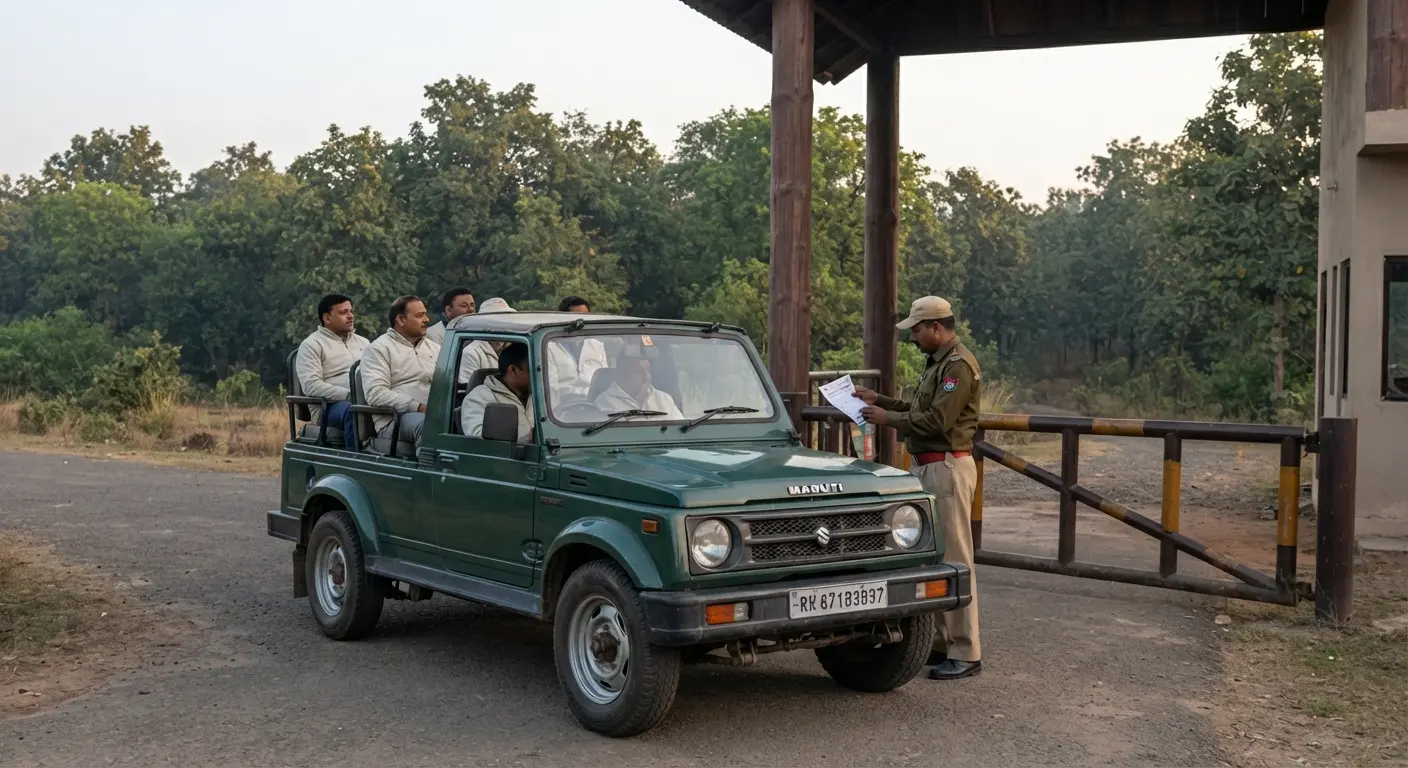
Each gate provides access to different safari routes and landscapes, offering visitors unique wildlife experiences. One important thing to know before planning your trip is that the Forest Department currently issues only the safari permit. The government booking portal does not assign a safari vehicle (Gypsy) with your permit. This means visitors must separately arrange a registered safari Gypsy through an authorised local safari operator such as Finding Fauna. Our team takes care of the complete process—from arranging the permit and safari vehicle to providing an experienced driver and guide—making your visit completely hassle-free. Visitors entering through Ahera and Peepalbawri also have the option of using their own private vehicle, subject to the latest Forest Department guidelines and permissions. However, for the best wildlife experience, especially if you're visiting for the first time, we highly recommend opting for a registered safari Gypsy with an experienced driver and naturalist.
What is the Safari Experience Like?
A typical safari in Kuno lasts around 3.5 to 4 hours, giving visitors ample time to explore the park's diverse habitats.
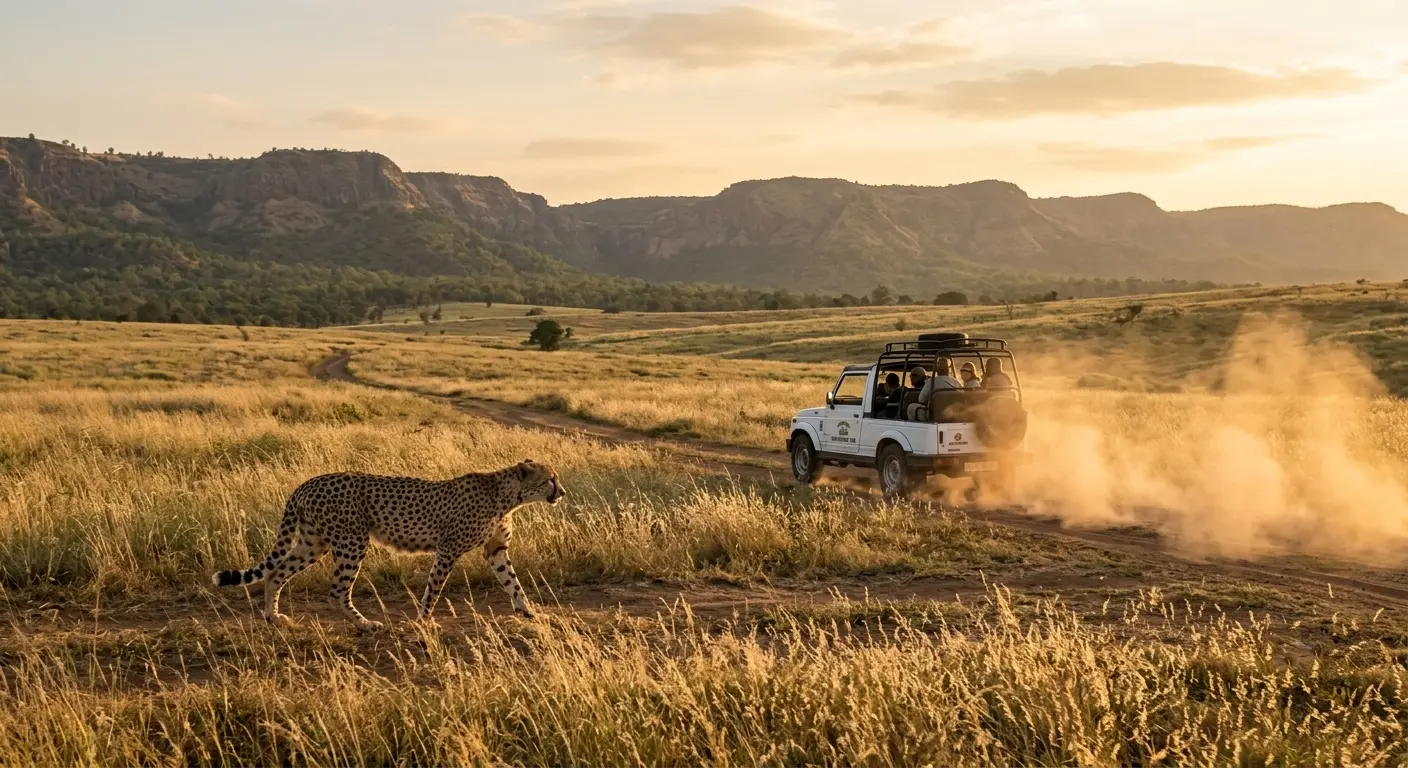
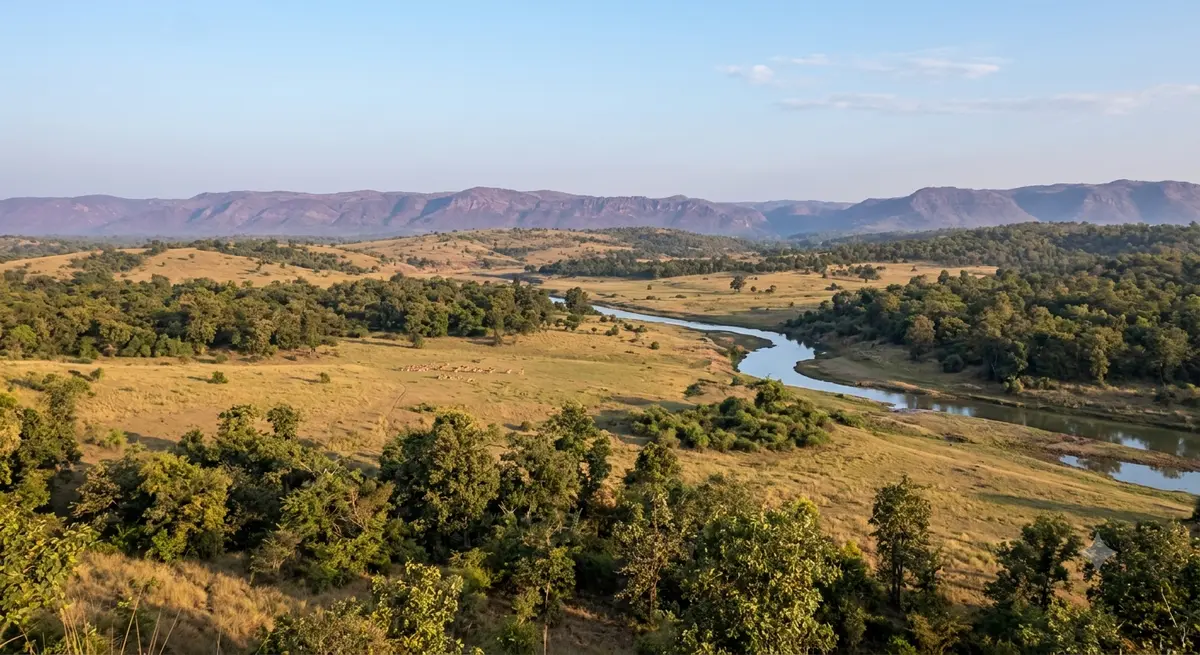
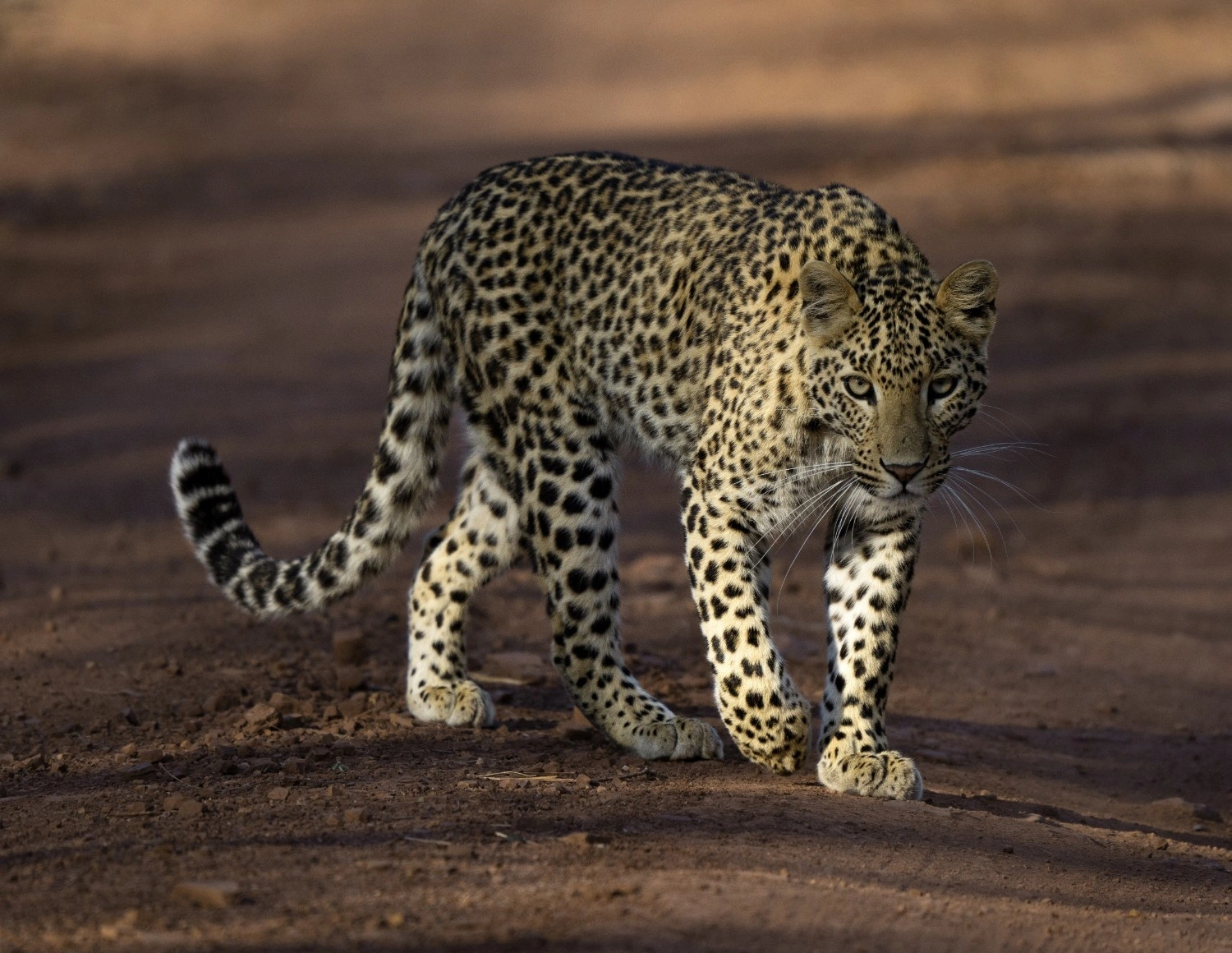
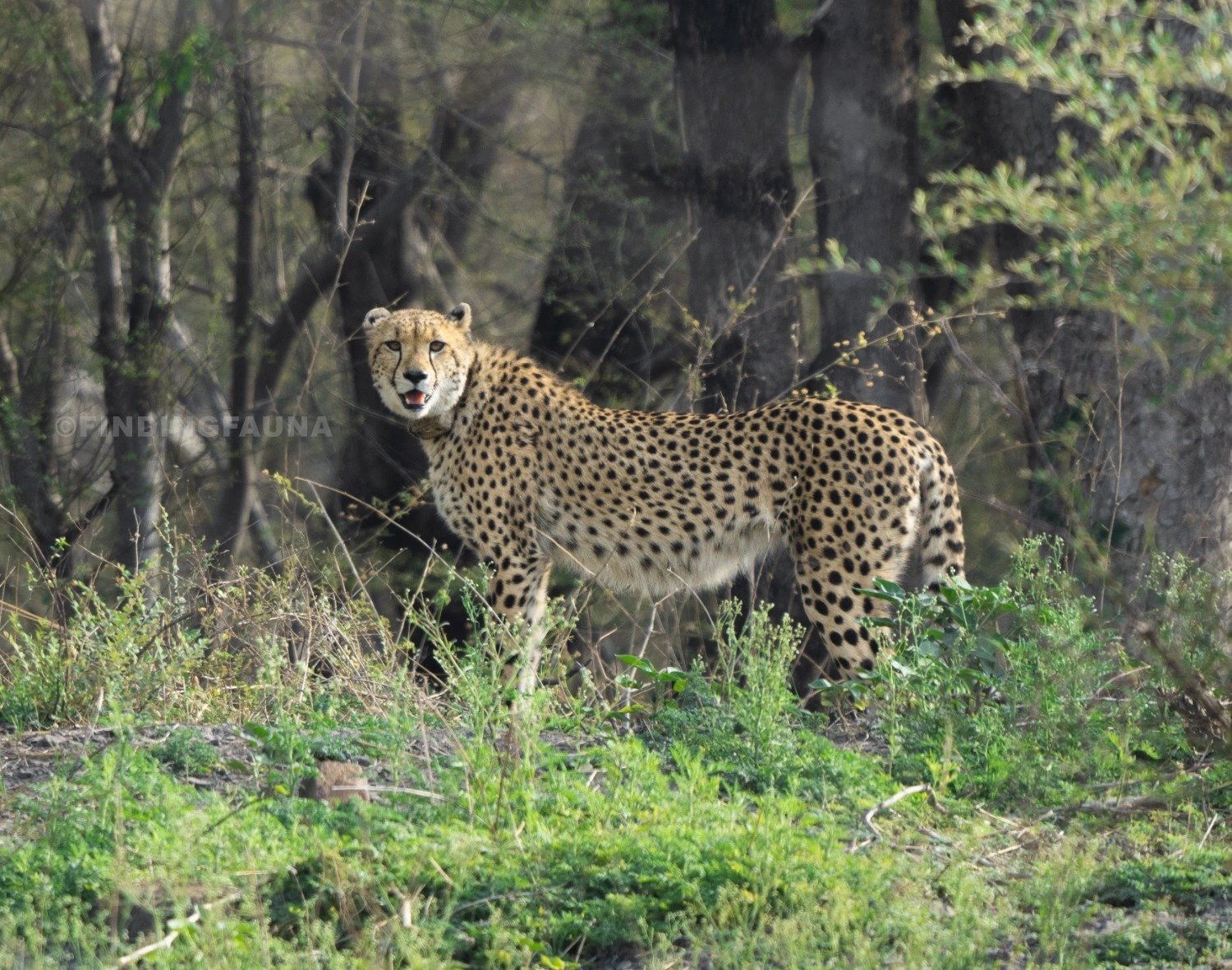
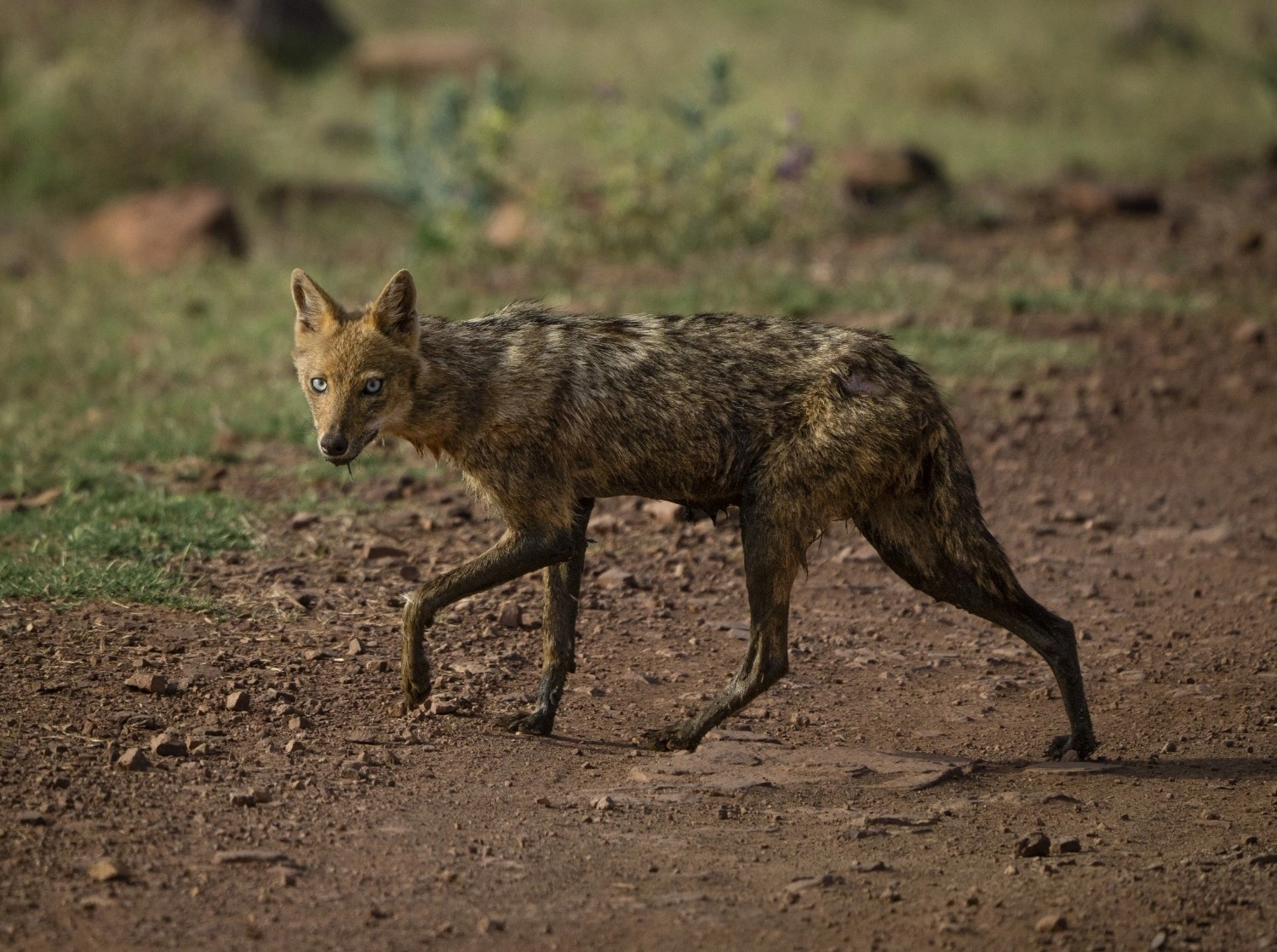
As your vehicle enters the forest, the landscape changes constantly. One moment you may be driving through dense Kardhai forests, and the next you could be crossing vast open grasslands where cheetahs are often seen scanning the horizon. Seasonal streams, rocky plateaus, river crossings and dry deciduous woodland create an ever-changing backdrop throughout the safari. The excitement comes from never knowing what awaits around the next bend. You might witness a cheetah resting beneath a tree, a leopard silently walking along a forest track, a sloth bear searching for termites, or a herd of chital suddenly raising alarm calls as a predator approaches. For photographers, Kuno offers exceptional opportunities thanks to its open landscapes and natural light. Unlike many forests where vegetation is extremely dense, several parts of Kuno allow for unobstructed wildlife viewing, making it easier to observe and photograph animals in their natural habitat. Every safari tells a different story—and that's what keeps visitors coming back.
What Makes Kuno National Park Different?
Kuno National Park is unlike any other wildlife destination in India.
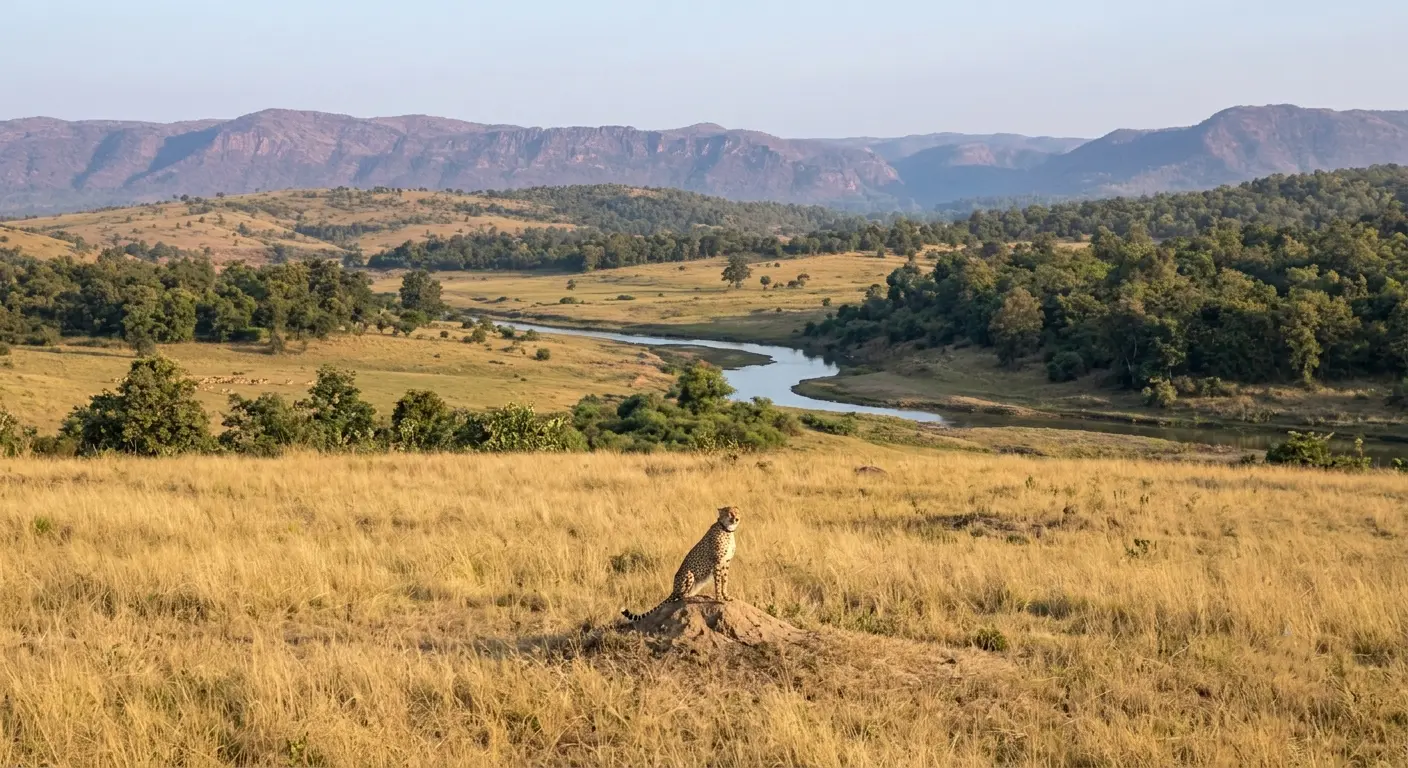
The biggest reason, of course, is that it is the only national park in India where visitors can see free-ranging African cheetahs in the wild. Watching the world's fastest land animal thriving once again in India's forests is a truly unique experience. But Kuno's appeal goes far beyond Project Cheetah. The park is one of the very few places in India where visitors have the opportunity to search for three iconic big cats—the cheetah, the leopard, and the tiger. While tiger sightings are currently less frequent than those of cheetahs and leopards, their presence adds another exciting dimension to the safari experience. Kuno is also distinguished by its remarkably varied landscape. Instead of endless dense forest, the park features a beautiful mosaic of open grasslands, rolling hills, dry deciduous forests, riverine habitats and rocky escarpments. This diversity supports an equally rich variety of wildlife and creates a safari experience that feels different with every route you explore. Another feature that sets Kuno apart is the relatively lower tourist traffic compared to many of India's more established national parks. This allows visitors to enjoy a quieter, more immersive safari without large numbers of vehicles surrounding every wildlife sighting.
Why We Recommend Booking Multiple Safaris
One of the most common questions we receive is: "Is one safari enough?" The simple answer is no—especially if your goal is to experience the true diversity of Kuno National Park. Kuno has an extensive tourism area, with each safari route passing through different habitats and offering different wildlife opportunities. On one drive, you may spend most of your time exploring open grasslands in search of cheetahs. On another, you could be tracking a leopard through dense woodland or watching sloth bears foraging near rocky outcrops. Wildlife is constantly on the move, and every safari unfolds differently depending on the season, weather conditions and animal behaviour. Based on our experience guiding visitors in Kuno, we generally recommend: 1 Safari – Ideal if you're short on time and simply want to experience Kuno for the first time. 2–3 Safaris – Perfect for most visitors, allowing you to explore different routes and significantly improve your chances of memorable wildlife sightings. 4–6 Safaris – Highly recommended for wildlife photographers, filmmakers and enthusiasts who want the best opportunities to observe cheetahs, leopards and other species under varying light and habitat conditions. The beauty of Kuno lies in its unpredictability. Every safari offers a fresh opportunity to witness something extraordinary, which is why many visitors leave wishing they had booked one more drive.